Embarking on a Quest for Luminous Skin: A Scientific Approach to Skincare
Navigating the world of skincare can be a daunting task, with countless products and ingredients claiming to deliver extraordinary results. Navigating through the array of moisturizers, serums, sunscreens, and exfoliants to identify the essentials is no small feat. The key to achieving and maintaining healthy, radiant skin lies in understanding the scientific principles that guide your skin's needs. This article will provide an in-depth exploration of skin science, examining its layers, functions, and the interaction between various ingredients and your skin. We will discuss common skin concerns such as acne, aging, and dryness, and offer advice on tailoring your skincare routine to meet your skin's unique requirements. 1. Foundation of Healthy Skin: Understanding Your Skin’s Anatomy Before selecting the right skincare products, it's crucial to have a clear understanding of the structure and function of your skin. Your skin is not just a protective barrier—it is a complex organ that performs vital tasks to protect your body. Here is a brief overview of its layers and their roles: Epidermis: The Protective Outer Layer The epidermis is the outermost layer of the skin, acting as your first line of defense. It consists of several layers of cells, with the stratum corneum being the topmost, made up of dead skin cells that protect your body from environmental damage. The epidermis also contains melanocytes, cells that produce melanin, the pigment that determines your skin color. Key Functions: The epidermis defends against harmful microorganisms, prevents water loss, and shields against ultraviolet rays. Key Components: Melanocytes (pigment production), keratinocytes (structural support), and Langerhans cells (immune response). Dermis: The Layer of Skin Strength The dermis, located below the epidermis, is essential for your skin's strength and elasticity. It contains collagen and elastin fibers, which give the skin its firmness and flexibility. The dermis also includes sweat and sebaceous glands, hair follicles, and blood vessels that provide nourishment and oxygen to the skin. Key Functions: The dermis supports the epidermis, regulates body temperature, and aids in skin repair and regeneration. Key Components: Collagen (strength), elastin (flexibility), sebaceous glands (oil secretion), and sweat glands (temperature control). Hypodermis: The Subcutaneous Layer The hypodermis, or subcutaneous layer, lies beneath the dermis. It is made up of adipose and connective tissues that insulate and cushion the skin, protect internal organs, and assist in energy storage. Key Functions: Insulation, cushioning, and energy conservation. Key Components: Adipose cells, connective tissue, and blood vessels. 2. Common Skin Issues: Delving into the Science Our skin faces numerous challenges based on factors such as age, environment, lifestyle, and genetics. Let's delve into some common skin concerns and how understanding the science behind them can help in their management. Acne: The Oil Blockage Dilemma Acne occurs when hair follicles become clogged with sebum, dead skin cells, and bacteria. The sebaceous glands produce excessive oil (sebum), which can become trapped in the pore, leading to inflammation and breakouts. Acne is most commonly seen during adolescence due to hormonal changes that increase oil production, but it can also affect adults. Main Causes: Overactive sebaceous glands, pore blockage, bacterial activity, and inflammation. Strategies: Use products that
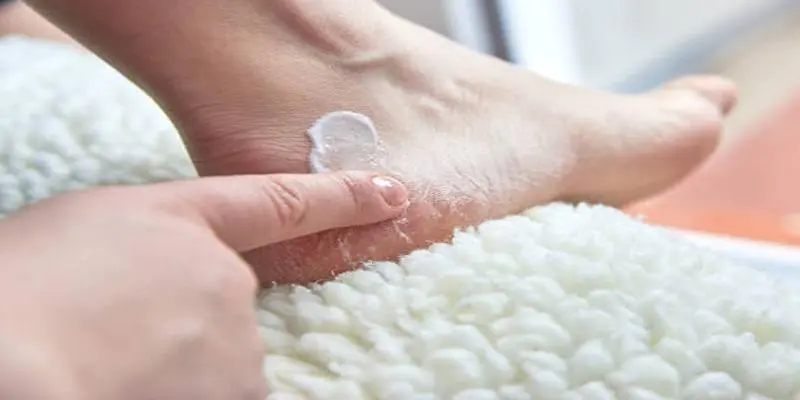
Combating Dry and Chapped Skin on Hands and Feet 5680
Dry, chapped skin on your hands and feet is not merely a cosmetic issue; it can result in discomfort and pain, especially during colder months or for those with naturally dry skin. It's vital to find effective treatments to maintain the health and appearance of your skin. This comprehensive guide provides various methods to tackle this common problem, ranging from keeping your skin hydrated to using natural home remedies. By following these strategies, you can achieve softer and smoother skin on your extremities, enhancing both comfort and confidence. Sustain Proper Hydration To combat dry, chapped skin, maintaining adequate hydration is key, both internally and on the skin's surface. Here are some tips to help you stay hydrated: Consume Sufficient Water Make sure to drink plenty of water daily to keep your body hydrated. Internal hydration is crucial for skin health. Water helps maintain skin flexibility, smoothness, and radiance by supporting its elasticity and natural functions. Proper hydration can prevent dryness, flaking, and dullness, leading to a healthier skin tone. Use Moisturizing Creams and Lotions Applying a high-quality moisturizer to your hands and feet regularly is essential for skin health. Moisturizers help retain hydration and aid in repairing the skin's protective barrier, creating a layer that prevents moisture loss. This practice can prevent dryness, cracks, and irritation, promoting overall skin health. Make moisturizing a daily habit to keep your hands and feet nourished and supple. Use Humidifiers Using a humidifier in your home, particularly during dry seasons like winter, can help maintain a comfortable and skin-friendly humidity level indoors. Humidifiers release water vapor into the air, which can alleviate dry skin, prevent respiratory issues, and maintain optimal moisture levels. Regular use of a humidifier can improve overall well-being by promoting healthier skin and easier breathing, especially in arid climates or during colder months. Gentle Exfoliation Practices Exfoliation is essential for removing dead skin cells and promoting the growth of new, healthy skin. It's vital for achieving smooth and soft skin on your hands and feet. Soft Loofah or Brush: Gently exfoliate your skin with a soft loofah or brush using circular motions to remove dead skin without causing irritation. Homemade Scrubs: A mixture of sugar or salt with olive oil can serve as an effective, natural exfoliating scrub. Chemical Exfoliants: Products containing alpha-hydroxy acids (AHAs) or beta-hydroxy acids (BHAs) can help exfoliate the skin more deeply but gently. Consistency and Care: Regular exfoliation is important, but overdoing it can lead to skin damage. Intensive Hydration Therapies Intensive hydration treatments, such as overnight masks or heavy creams, are crucial for healing dry, cracked skin. These products often contain ingredients like hyaluronic acid, glycerin, and ceramides, which are designed to lock in moisture and promote skin repair while you sleep. Applying these treatments to your feet and hands before bed and covering them with cotton gloves or socks can enhance absorption and effectiveness, leading to smoother, more supple skin. Incorporating oils like coconut, olive, or almond into your skincare routine can provide an extra hydration boost. These natural oils are rich in vitamins and fatty acids, which are essential for maintaining the skin's barrier and preventing moisture loss. Regular application after showering can significantly improve skin texture and elasticity. Daily Preventive Measures To strengthen your daily preventive care routine against dry, cracked skin, consider these habits: Avoid Hot Water Baths: Extremely hot water can strip the skin of its natural oils, worsening dryness. Opt

Celebrating the Timeless Elegance of Aging: A New Chapter in Beauty Perception
The traditional paradigm of beauty, which has long been dominated by the ideal of eternal youth and flawless skin, is undergoing a significant transformation as society and the beauty industry alike are reevaluating the concept of aging. This blog post explores the growing appreciation for the beauty that comes with age and how it is redefining our understanding of beauty. There is a burgeoning movement that values the beauty of aging, challenging the societal norm that demands the maintenance of a youthful appearance at all costs. The lines and stories that age carves on our faces are now being recognized as something to be embraced rather than hidden, signifying a natural and empowering progression. This article will examine the factors contributing to the increased recognition of the beauty in aging and how the beauty sector is responding to this cultural shift. We will also discuss how embracing the aging process can lead to greater self-acceptance, a celebration of individuality, and an expanded definition of beauty. 1. Society's Respectful Embrace of Aging Aging, a universal and inevitable part of the human experience, has often been something to avoid, especially in Western cultures that place a high value on youth. It has been linked to a decrease in attractiveness and relevance. Women, in particular, have been subjected to stringent beauty standards that treat aging as a problem to be fixed rather than an integral aspect of life's journey. However, a growing movement is seeking to change the narrative around aging, turning it from something to be feared into something to be respected. This change is increasingly visible in the media, with more mature models and actresses challenging the long-standing youthful beauty stereotype. Celebrities like Helen Mirren, Jane Fonda, and Angela Bassett are setting new precedents by embracing their natural aging process and representing a confident image of maturity. Social media has played a crucial role in this shift, providing a platform for individuals of all ages to share their personal stories about aging and beauty. Popular hashtags such as #AgePositivity, #GreyHairDontCare, and #AgelessBeauty have become emblematic of a growing trend to accept and celebrate the natural aging process rather than succumb to anti-aging pressures. This cultural shift is also reflected in the beauty industry, with brands increasingly recognizing the diversity in age and featuring older women in their advertisements, as well as creating products designed for mature skin. As consumers demand authenticity and inclusivity, the industry is evolving to reflect these new values. 2. The Beauty Industry's Response to Aging In response to the growing demand for a natural approach to aging, beauty companies are shifting their focus from youth-centric products to those that celebrate the beauty of mature skin. Aging with grace is now less about reversing time and more about enhancing and celebrating the skin's natural aging process. Anti-Aging vs. Pro-Aging: Changing Attitudes Historically, the beauty industry has focused on "anti-aging"—products designed to reduce or reverse signs of aging. From wrinkle creams to Botox, these have been marketed as the ultimate solutions to aging. While such products still have their place, a more holistic approach is gaining popularity—one that emphasizes "pro-aging," or products that support and enhance the natural aging process. Pro-aging products celebrate aging as a beautiful and inevitable journey, focusing on promoting healthy, nourished skin tailored to the specific needs of mature skin, such as increasing hydration, enhancing elasticity, and addressing age spots and sagging. The focus is on amplifying natural beauty rather than concealing it. Diverse and Inclusive Beauty Campaigns As beauty brands recognize the importance of representation, older individuals are now being featured in mainstream beauty campaigns. Companies like Dove, Olay, and Lancôme have introduced advertisements showcasing women of various ages and backgrounds, celebrating the diversity and wisdom that come with age. The beauty industry is also acknowledging the skincare and makeup needs of people of all ages, tailoring solutions to their unique requirements. For example, foundations are being formulated with ingredients that provide extra hydration and radiance for mature skin. Skincare brands are developing rich, nourishing formulas that target age-related concerns while promoting healthy, luminous skin. This shift in beauty campaigns not only reflects the changing views on aging but also serves as a powerful catalyst for social change. By presenting older women as beautiful, capable, and dynamic, these brands are redefining beauty across all stages of
Effective Treatments for Dry and Cracked Skin on Hands and Feet
Dry, cracked skin on your hands and feet isn't just an aesthetic concern; it can lead to discomfort and pain, particularly in the colder months or for those with naturally dry skin. Identifying effective solutions is essential for improving skin appearance and promoting overall skin health. This detailed guide offers a variety of approaches to address this widespread issue, from hydration methods to natural home remedies. By implementing these strategies, you can achieve softer, smoother skin on your hands and feet, enhancing both comfort and confidence. Maintain Adequate Hydration Proper hydration, both internally and externally, is crucial for preventing and treating dry, cracked skin. Here are some strategies to stay hydrated: Drink Sufficient Water Keep your hydration levels optimal by consistently drinking an adequate amount of water throughout the day. Hydrating your body from the inside out is key for overall skin health. Water helps maintain your skin's suppleness, smoothness, and radiance by supporting its elasticity and natural functions. Staying hydrated can counteract dryness, flakiness, and dullness, fostering a healthy complexion. Apply Moisturizers Regularly Regularly applying a high-quality moisturizer to your hands and feet is essential for maintaining healthy skin. Moisturizers help lock in moisture and support the repair of the skin barrier, creating a protective layer that prevents water loss. This simple yet effective skincare routine can help prevent dryness, cracks, and irritation, promoting overall skin health. Make it a habit to moisturize your hands and feet daily to keep them nourished and supple. Utilize Humidifiers Using a humidifier in your home, especially during dry seasons like winter, is beneficial for maintaining a comfortable and skin-friendly humidity level indoors. Humidifiers release water vapor into the air, alleviating dry skin, preventing respiratory issues, and maintaining optimal moisture levels. Regular use of a humidifier can enhance overall well-being by promoting healthier skin and easier breathing, particularly in arid climates or during colder months. Practice Gentle Exfoliation Exfoliation is key to removing dead skin cells and promoting the regeneration of new, healthy skin. It's essential for achieving smooth and soft skin on your hands and feet. Use a Gentle Loofah or Brush: Gentle circular motions with a soft loofah or brush can help slough off dead skin without causing irritation. Homemade Scrubs: A mix of sugar or salt with olive oil makes an effective, natural exfoliating scrub. Chemical Exfoliants: Products containing alpha-hydroxy acids (AHAs) or beta-hydroxy acids (BHAs) can help exfoliate the skin more deeply but gently. Be Consistent but Gentle: Regular exfoliation is important, but over-exfoliation can lead to skin damage. Deep Moisturizing Treatments Deep moisturizing treatments, such as overnight masks or thick creams, are vital for healing dry, cracked skin. These products often contain ingredients like hyaluronic acid, glycerin, and ceramides, designed to lock in moisture and promote skin repair while you sleep. Applying these treatments to your feet and hands before bed and covering them with cotton gloves or socks can enhance absorption and effectiveness, leading to smoother, more supple skin. Incorporating oils like coconut, olive, or almond into your skincare routine can provide an extra hydration boost. These natural oils are rich in vitamins and fatty acids, essential for maintaining the skin's barrier and preventing moisture loss. Regular application after showering can significantly improve skin texture and elasticity. Preventive Care Habits To strengthen your preventive care routine against dry, cracked skin, incorporate these daily habits: Avoid Hot Water Baths: Extremely hot water can strip the skin of its natural oils, exacerbating dryness. Opt for lukewarm water instead

Harness the Skin-Enhancing Properties of Green Tea 5682
Green tea is renowned for its extensive health advantages when ingested, but its topical use can also markedly improve your skin's condition. If you're dealing with dark circles or puffy eyes, applying chilled green tea bags can offer a calming effect. To enhance your skin's quality, consider adding a green tea-based face mask to your routine. Derived from the steamed leaves of the Camellia sinensis plant, green tea is packed with minerals and antioxidants that can greatly benefit your skin's health. Its broad range of skin-friendly attributes has made green tea a key ingredient in many beauty and skincare products. Continue reading to discover the wide range of applications for green tea, its mechanisms of action, and the specific skin benefits it provides. The Remarkable Skincare Advantages of Green Tea Unlike herbal infusions, all true teas come from the Camellia sinensis plant, with green tea being the least processed. Composed of unoxidized leaves, it retains the highest levels of antioxidants and polyphenols that are advantageous for health. Green tea's benefits extend beyond its antioxidant content, as it also has antibacterial and anti-inflammatory properties. It has become a popular ingredient in skincare and facial masks due to its protective and soothing effects on the skin, its ability to regulate sebum production, and its potential to reduce the visibility of wrinkles. Here are some of the skin benefits of green tea: 1. Reduces Skin Inflammation The polyphenol catechin, abundant in green tea, plays a crucial role in soothing conditions like psoriasis, dermatitis, rosacea, and other skin irritations by decreasing inflammation, redness, swelling, and itchiness. Topical green tea applications can also address minor skin injuries, sunburns, and irritations. 2. Fights Acne The antibacterial, anti-inflammatory, and antioxidant properties of green tea make it an effective acne fighter. Its compounds can disrupt bacterial membranes, preventing infection and aiding in acne management. Applying green tea topically can also soothe and clarify the skin, reducing the occurrence of whiteheads and blackheads. 3. Offers Gentle Exfoliation Exfoliation is essential for removing dead skin cells that contribute to a dull complexion. Green tea encourages the turnover of new skin cells, enhancing radiance and gently removing dead cells. It also clears away excess oil and debris, preventing various skin issues. 4. Clears Pores Pore blockages occur when dead skin cells become trapped, obstructing the release of sweat and excess oil. This can lead to blackheads, whiteheads, and breakouts. Green tea effectively unclogs pores and minimizes breakouts, blackheads, and acne without causing adverse effects. 5. Aids Skin Healing Gallic acid in green tea, a phenolic acid, aids in various stages of wound healing. It enhances skin elasticity and accelerates the healing process of scars. Studies from 2003 suggest that green tea polyphenols may prevent skin issues caused by UVB exposure, including photoaging, melanoma, and nonmelanoma skin cancers. 6. Regulates Oil Production Excessive sebum production is common among those with oily skin, often leading to breakouts. Green tea contains biomolecules that interact with body amino acids, reducing oil synthesis in skin cells and regulating sebum production, thus removing excess oil from the skin's surface. Leveraging Green Tea for Skin Brightening Green tea's antioxidants can improve skin tone and brighten the complexion. It aids in detoxifying the body, resulting in brighter and more even-toned skin. To use green tea for skin brightening, mix it with rose water and raw milk, then apply the mixture to your skin. This combination helps fade dark spots, promoting a fair and healthy skin appearance. You can apply green tea topically or consume it regularly to enhance your skin's health and appearance. Tackling Dry Skin with Green Tea Rich in vitamin
Boost Your Beauty with Scientific Skincare: Tips for a Glowing Complexion
Achieving a glowing complexion is a beauty goal that many strive for. While genetics play a role, the majority of skin radiance is within our reach through consistent skincare practices. A bright and clear skin can be yours without a complicated regimen or expensive products. Instead, a simple yet strategic skincare routine combined with healthy lifestyle choices can greatly enhance your skin's appearance. This article provides practical, science-based skincare tips to optimize your beauty routine. Whether you're new to skincare or looking to improve your current practices, these suggestions will guide you towards healthier and more radiant skin. 1. Understanding Your Skin: The Key to Effective Skincare Before diving into specific advice and products, it's essential to identify your skin type and its unique needs. Factors such as genetics, age, environment, and lifestyle all impact your skin's characteristics. The better you understand your skin, the more effectively you can choose products and tailor your routine to suit it. 1.1 Identifying Your Skin Type The first step in developing a skincare routine is to determine your skin type. The main skin types are oily, dry, combination, sensitive, and normal. Knowing your skin type helps you select suitable products that address your skin's needs without causing irritation or discomfort. Oily skin: Marked by active oil glands, leading to a shiny look, large pores, and frequent acne. Dry skin: Lacking hydration, resulting in a rough texture, dry patches, or a dull appearance. Combination skin: Features both oily and dry areas, often with an oily T-zone and dry cheeks. Sensitive skin: Easily irritated by products or environmental factors, prone to redness, stinging, or adverse reactions. Normal skin: Well-balanced, neither overly oily nor dry, with minimal imperfections. Once you've identified your skin type, you can more accurately choose which products and ingredients are best for your skin. 2. Creating a Customized Skincare Routine A skincare routine doesn't have to be complex to be effective. Consistency and the correct application of products in the right order are crucial. A basic skincare routine typically includes three key steps: cleansing, moisturizing, and sun protection. You can further enhance this routine by adding targeted treatments based on your specific skin concerns. 2.1 Daily Cleansing Cleansing is the first and most important step in any skincare routine. It helps remove dirt, oil, makeup, and impurities that accumulate on your skin daily. The aim is to choose a mild, non-abrasive cleanser that cleans your skin effectively without disrupting its natural moisture barrier. Tip: Consider a gentle gel or cream cleanser in the morning to refresh your skin, and an oil-based or balm cleanser at night to remove makeup and impurities. For oily skin, think about a foaming or salicylic acid-based cleanser for deep pore cleansing. 2.2 Balancing with Toner Toners help rebalance the skin's pH and prepare it for better absorption of subsequent products. While traditionally focused on oil removal, modern toners offer a range of benefits, from hydration to pore refinement. Tip: Look for toners containing hyaluronic acid for hydration, niacinamide for soothing effects, or witch hazel for pore tightening. Avoid alcohol-based toners, as they can dry out the skin. 2.3 Exfoliation with Care Exfoliation is important for maintaining skin smoothness and removing dead skin cells that contribute to a dull complexion. However, over-exfoliating can damage the skin's barrier and cause irritation. The goal is to find the right balance. Tip: Use
Unlock the Glow: Crafting Your Own Turmeric Face Mask 5679
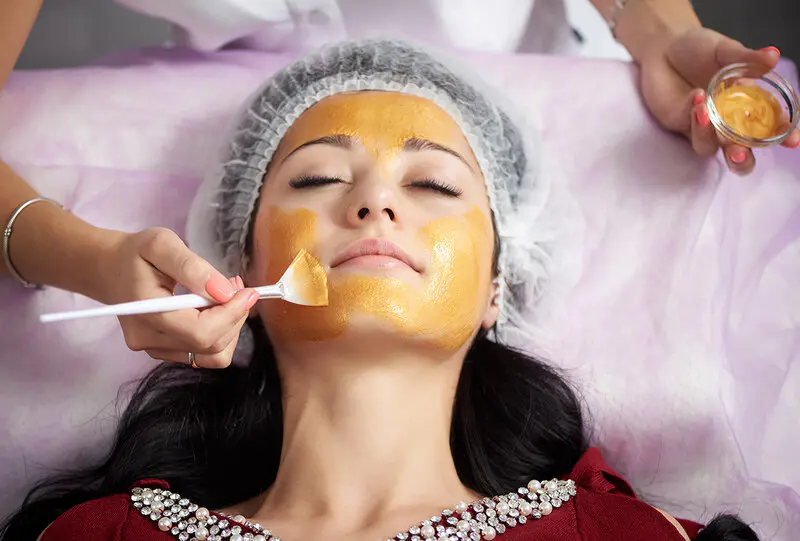
Delve into the world of natural beauty with a homemade Turmeric Face Mask, a treasured secret in global skincare traditions. This mask is not just a routine; it's a gateway to unlocking your skin's radiance and youthfulness. Turmeric, the star ingredient, is a powerful antioxidant that combats free radicals, preventing early aging. Its anti-inflammatory and antimicrobial traits are unparalleled for soothing inflammation, reducing acne, and diminishing acne marks. By incorporating this golden spice into your beauty regimen, you can significantly boost your skin's health and vitality. 1. Crafting Your Golden Elixir The process of making your own turmeric face mask is an exciting journey. To create this mask, you'll need to carefully select and mix specific ingredients. Blend finely ground turmeric powder, the creamy richness of yogurt, and the natural sweetness of honey. Yogurt's lactic acid gently exfoliates, while honey moisturizes, creating a harmonious blend that targets various skin issues. When choosing turmeric powder, go for a fine texture to avoid skin irritation. Use a clean applicator to spread the mask evenly on your face. Adjust the ingredient ratios to suit your skin's unique requirements. This personalization is what makes your homemade mask so potent, delivering customized benefits for your complexion. Thought to Consider: You can adjust the mask's thickness to your preference. A thicker layer offers a more intensive treatment. Cautionary Note: Be mindful that turmeric can stain fabrics, so wear old clothes or use a dark towel to avoid staining. 2. Applying for Optimal Results To maximize the benefits of your homemade turmeric mask, correct application is essential. Start by cleansing your face to remove dirt and impurities. Then, apply the mask evenly with gentle strokes. Allow it to sit for about 15 to 20 minutes, giving the ingredients time to penetrate and work their magic. While waiting, enhance the experience with a facial massage. The calming, circular motions not only feel indulgent but also improve circulation, aiding in the absorption of the mask's nutrients. Focus on areas prone to tension, such as your forehead and jawline. This step transforms your routine into a self-care ritual that benefits both your skin and overall well-being. Thought to Consider: Apply the mask with upward strokes to counteract gravity and achieve a more lifted appearance. Cautionary Note: Avoid the eye area to prevent irritation. 3. The Comprehensive Benefits of Turmeric Face Mask The benefits of a DIY turmeric face mask are extensive. It's not just about an instant glow; it's about nurturing long-term skin health. Its antioxidant properties protect against environmental damage, while regular use can promote collagen production, maintaining skin elasticity and a youthful look. This mask tackles inflammation, manages acne, and imparts a luminous glow. Its antimicrobial properties support clear, healthy skin. Whether you're addressing current concerns or preventing future ones, this natural solution provides a holistic skincare approach. Thought to Consider: For consistent results, use the mask twice a week without overwhelming your skin. Cautionary Note: Turmeric may temporarily color the skin, but this usually fades within hours. 4. Precautions on Staining and Allergies Before incorporating the turmeric mask into your routine, be aware of potential staining, especially on light skin. Apply a barrier like petroleum jelly or moisturizer around your hairline and eyebrows to prevent this. Also, conduct a patch test to ensure no ingredients cause an allergic reaction, allowing you to tailor the mask to your skin's sensitivities for a safe and effective experience. Thought to Consider: Applying

Timeless Elegance: The Persistent Influence of Vintage Styles on Modern Fashion
Fashion is often seen as a fleeting phenomenon, with trends coming and going with the changing seasons. However, some styles possess a timeless charm that continues to influence the current fashion scene. The contemporary fashion world is experiencing a revival of classic styles, with designers and makeup artists blending the old with the new to create looks that are both modern and reminiscent of bygone eras. Vintage Grace Revived Recently, there has been a notable increase in the appeal of fashion inspired by the past. Designers are looking to the mid-20th century for inspiration, incorporating bold patterns, high-waisted pants, and elegant silhouettes into their collections. Celebrities like Kate Middleton and Rihanna have embraced these vintage styles, adding a modern twist to create looks that remain stylish across the decades. The Enduring Influence of Style Icons Icons of beauty such as Audrey Hepburn and Marilyn Monroe continue to influence current fashion and makeup trends. Audrey's classic winged eyeliner and Marilyn's signature red lips have become symbols of lasting beauty. Today's makeup artists are reimagining these iconic looks with a contemporary touch, ensuring their legacy remains relevant in the ever-evolving landscape of fashion. The Everlasting Charm of Simplicity Simplicity is another enduring trend that has withstood the test of time, impacting both fashion and beauty. The minimalist approach, characterized by clean lines, neutral colors, and understated elegance, is evident in both clothing and makeup. Brands like The Row and Chanel continue to embrace this style, proving that simplicity and grace are always in style. Closing Remarks The enduring appeal of classic beauty trends on modern fashion shows that styles from the past can remain relevant amidst changing trends. By merging the old with the new, today's designers and beauty professionals are creating looks that are both nostalgic and fresh, ensuring that the charm of classic beauty remains captivating for years to come.

Stress and Its Effects on Skin: A Comprehensive Guide to Understanding and Combating Stress-Induced Skin Issues
In our modern, hectic lives, stress is an inescapable reality. It's not just a mental burden; stress can also have a significant impact on our skin health, leading to a variety of skin concerns that are often overlooked. This article delves into the connection between stress and skin, explaining the science and offering practical advice for managing stress to promote healthier, clearer skin. Recognizing this link is crucial for anyone aiming to enhance their skin's appearance and overall well-being. 1. The Effects of Stress on Skin Stress initiates a cascade of physiological reactions that can directly affect the skin. The interplay between stress and skin health is intricate and involves multiple biological pathways. Here are some key ways in which stress can impact the skin: 1.1 The Role of Stress Hormones During times of stress, the body releases cortisol, often referred to as the "stress hormone." Cortisol is meant to help us cope with stress by increasing alertness and energy. However, ongoing stress can lead to chronically elevated cortisol levels, which can adversely affect the skin in several ways. Oil Production: High cortisol levels can stimulate sebaceous glands to produce excess sebum, leading to clogged pores and acne breakouts, particularly on the face, chest, and back. Inflammatory Response: Prolonged stress can also spark inflammation in the skin, worsening conditions such as eczema, psoriasis, rosacea, and acne, and causing symptoms like redness, swelling, and irritation. 1.2 Skin Barrier Disruption The skin possesses a natural barrier that shields it from external irritants and helps to retain hydration. Stress can compromise this barrier, making the skin more vulnerable to environmental harm and dryness. A weakened barrier also slows down the skin's self-repair process, prolonging the healing of wounds, acne scars, and other skin imperfections. 1.3 Skin Sensitivity Stress can heighten skin sensitivity, leading to symptoms like itching, redness, and rashes. Conditions like rosacea, which is characterized by facial redness and visible blood vessels, can be triggered or intensified by stress. Individuals with sensitive skin may find that stress worsens their symptoms. 1.4 Aging and Wrinkles While not immediately apparent, chronic stress can speed up the aging process. Elevated cortisol levels can degrade collagen, the protein that maintains skin firmness and elasticity. As collagen diminishes, the skin becomes more susceptible to sagging, fine lines, and wrinkles. Moreover, stress can disrupt sleep, a critical factor in skin regeneration, resulting in dull, fatigued-looking skin and the early onset of aging signs. 2. Skin Conditions Linked to Stress Ongoing stress is associated with the development and worsening of several skin conditions. Here are some common skin issues that stress can trigger or exacerbate: 2.1 Acne and Pimples Acne is one of the most prevalent skin problems related to stress. Rising cortisol levels can lead to increased oil production, which can clog pores and create an environment conducive to acne bacteria. Additionally, stress can increase inflammation, causing redness and swelling around acne lesions. Touching the face due to stress or anxiety can also transfer bacteria and dirt, further increasing the risk of breakouts. 2.2 Eczema and Psoriasis Eczema and psoriasis are inflammatory skin conditions that often flare up under stress. Stress amplifies the inflammation associated with these conditions, leading to symptoms such as itching, redness, and scaling. In some cases, stress can even provoke the onset of eczema or psoriasis in individuals predisposed to these conditions. 2.3 Rosacea Rosacea, a chronic skin condition causing facial redness, visible blood vessels, and sometimes acne-like bumps, is significantly triggered by stress. Stress releases chemicals that dilate blood vessels,

Unlocking the Power of Nutrition for a Glowing Complexion: Dietary Tips for a Brighter Skin
Achieving a glowing and healthy skin tone can be a daunting task given the multitude of skincare options and beauty routines on the market. While topical applications are important, the foundation of beautiful skin lies within: our diet. The foods we eat have a significant impact on our skin's condition, and a balanced diet can result in clearer, more youthful, and radiant skin. This article explores the pivotal role of nutrition in maintaining skin health, highlighting key vitamins, minerals, and nutrients that contribute to a vibrant complexion. We will discuss the scientific reasons behind how certain foods can affect skin health and provide guidance on how to nourish your skin through your diet. 1. The Connection Between Diet and Skin Wellness Your skin, like the rest of your body, requires essential nutrients to stay healthy. Proper nutrition enhances the body's ability to renew skin cells, combat oxidative stress, and maintain hydration. Poor nutrition can lead to various skin problems, including dryness, acne, a dull appearance, and signs of premature aging. 1.1 The Role of Nutrition in Skin Function The skin's cells rely on a consistent supply of nutrients for peak performance. For example, vitamin C is essential for collagen production, which provides the skin with its structural foundation, while antioxidants like vitamin E protect the skin from environmental damage. Additionally, healthy fats are crucial for preserving the skin's moisture barrier, ensuring hydration and plumpness. When the body is deficient in these nutrients, the skin may appear dull, dehydrated, or prone to imperfections. Conversely, a diet rich in nutrients beneficial to the skin can promote healthy, radiant skin and prevent common skin issues. 1.2 The Importance of Antioxidants Antioxidants are compounds found in food that neutralize free radicals—unstable molecules that can damage skin cells and accelerate aging. Free radicals are produced through exposure to environmental stressors such as ultraviolet light, pollution, and tobacco smoke. By incorporating antioxidants into your diet, you can protect your skin from oxidative stress and delay the signs of premature aging. The most potent antioxidants for skin health include vitamins C and E, beta-carotene, and selenium. These nutrients help protect the skin from environmental damage and promote cell regeneration, leading to a clearer, more youthful complexion. 2. Nutrients Vital for Healthy, Luminous Skin Now that we've established the relationship between nutrition and skin health, let's look at some of the most important nutrients that contribute to a luminous complexion. 2.1 Vitamin C: Key to Collagen and Luster Vitamin C is crucial for skin health. It is necessary for collagen production, which is essential for the skin's structure and firmness. Collagen gives the skin its elasticity, preventing sagging and the formation of wrinkles. In addition to supporting collagen production, vitamin C is a powerful antioxidant that protects the skin from UV damage and environmental pollutants. It also helps to brighten the complexion and reduce the appearance of dark spots and hyperpigmentation. Foods rich in vitamin C include citrus fruits, berries, kiwi, bell peppers, broccoli, and leafy greens. Incorporating these into your diet can improve your skin's overall health and radiance. 2.2 Vitamin E: Defense Against Skin Damage Vitamin E is a powerful antioxidant that helps protect the skin from damage caused by free radicals and UV rays. It also supports skin hydration by reducing moisture loss and strengthening the skin's barrier function. Vitamin E is known for its anti-inflammatory properties, which can soothe skin irritation and redness. You can find vitamin E in foods such as almonds, sunflower seeds, spinach, and avocados. Regular consumption of these nutrient-rich foods can help protect your skin from harm while promoting softness and hydration. 2.3 Omega-3 Fatty Acids: Hydration and Inflammation Management Omega-3 fatty acids are essential fats that are vital for maintaining the skin's moisture barrier. These healthy fats help keep the skin hydrated and plump by preventing water loss. Omega-3s also
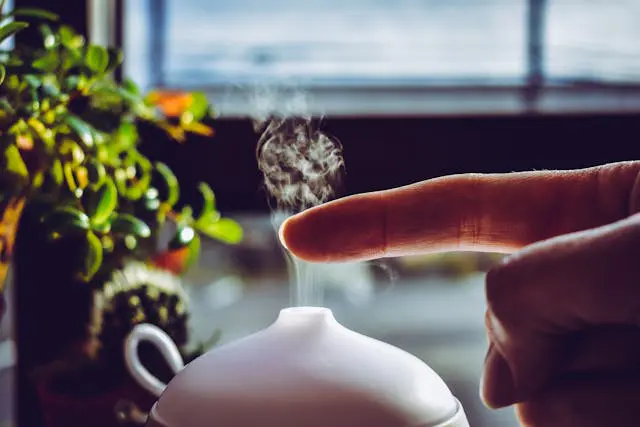
Unlocking the Secrets to Glowing Skin with Facial Steamers and Humidifiers
Achieving skin that's both hydrated and luminous is a goal many strive for, and there are multiple avenues to reach this. Among the many tools at our disposal, facial steamers and humidifiers stand out for their ability to nourish the skin. While a humidifier primarily adds moisture to your skin, a facial steamer is more focused on deep cleansing of pores and improving the absorption of skincare products. This article delves into the advantages of both facial steamers and humidifiers to help you decide which might be the best fit for your personal skincare routine.Facial SteamersFacial steamers are a staple in spa and professional environments. They use steam to open pores and stimulate blood flow. The warm mist from a professional facial steamer is used by skincare professionals to relax the facial muscles and prepare the skin for further treatments.Benefits of Professional Facial SteamersProfessional facial steamers offer several benefits for the skin, including:Pore Cleansing: The steam from a facial steamer helps to open up pores, which is essential for releasing trapped sebum and other debris. Sebum, when blocked, can cause acne, so steaming can help prevent breakouts by clearing these obstructions.Hydrating Effects: Maintaining skin hydration is vital for keeping it supple and youthful. While topical moisturizers help seal in moisture, steaming provides a deep, water-based hydration approach.Blood Circulation Improvement: The heat from the steam increases blood flow and delivers more oxygen to the skin, contributing to a healthier and more vibrant complexion. Enhanced circulation can also encourage the production of elastin and collagen, which are key for maintaining skin elasticity and reducing the appearance of wrinkles.Enhanced Product Efficacy: Steaming can help your skincare products work more effectively. It prepares your skin to absorb toners, serums, and moisturizers more readily.Guidelines for Using a Professional SteamerDuration: It's recommended that facial steaming sessions last no more than 5-10 minutes to avoid over-moisturizing the skin and causing discomfort.Distance: Keep your face approximately 8-12 inches away from the steam nozzle to ensure safety and effectiveness.Frequency: Using a facial steamer once a week is usually sufficient.Skin Preparation: Your face should be thoroughly cleansed before you begin the steaming process.Post-Steam Care: After steaming, apply a moisturizer to lock in the hydration. Steaming can also be performed before extractions to minimize skin irritation.Incorporating a professional steamer into your skincare regimen can greatly enhance the appearance and health of your skin. By following the proper guidelines, you can enjoy the rejuvenating effects of facial steaming.HumidifiersHumidifiers are sophisticated devices designed to increase the humidity levels in your environment. Compact humidifiers are user-friendly and help regulate indoor humidity by releasing moisture into the air.Types of HumidifiersSteam Vaporizers: These devices heat water to create steam, which is then cooled and released. However, they pose a risk of burns and are not recommended for homes with children.Ultrasonic Humidifiers: These use ultrasonic waves to produce a fine mist, providing safe and efficient humidification without the need for heat.Evaporators: These humidifiers circulate air through a moistened filter or wick, releasing humidified air into the surroundings.Impeller Humidifiers: These devices use spinning disks to create a cool mist, making them safe for use around children.Central Humidifiers: These are integrated into the home's HVAC system to provide humidity throughout the entire house.
Embarking on a Journey to Timeless Glow: Cultivating Your Skin for Enduring Beauty
Achieving a timeless glow is not a momentary endeavor but rather a commitment to consistently caring for your skin to preserve its health and vitality. Aging gracefully is about embracing the natural passage of time while keeping your skin in peak condition, no matter your age. The secret lies in creating a sustainable skincare routine, maintaining healthy lifestyle habits, and protecting your skin from environmental stressors. In this piece, we will explore practical tips and strategies designed to help you maintain your skin's natural charm over the years. We will cover everything from the importance of sun protection to powerful anti-aging ingredients, ensuring you have the knowledge to keep your skin youthful and radiant. 1. Sun Protection: The Cornerstone of Anti-Aging The leading cause of premature aging is sun exposure. Ultraviolet rays penetrate the skin, causing damage that leads to fine lines, wrinkles, uneven pigmentation, and a loss of skin elasticity. While avoiding sunlight altogether is impractical, taking steps to shield your skin is the most effective way to prevent premature aging. 1.1 Choosing the Right Sunscreen When selecting a sunscreen, it's crucial to understand that not all products are equal. Opt for a broad-spectrum sunscreen that protects against both UVA and UVB rays. UVA rays are associated with aging and wrinkle formation, while UVB rays cause sunburns. Make sure to choose a sunscreen with at least SPF 30 and apply it daily, even on overcast days or if you're mostly indoors. Tip: Consider a sunscreen that includes antioxidants like Vitamin C or niacinamide to combat oxidative stress and strengthen your skin's defense mechanisms. 1.2 Regular Application Applying sunscreen once in the morning is not enough for all-day protection. Sunscreen's effectiveness can decrease due to sweating, swimming, or your skin's natural oils. Reapply your sunscreen every two hours, more frequently if you're spending a lot of time outdoors. Tip: Carry a compact sunscreen in your bag for easy reapplication throughout the day. 2. Skincare Routine: Essential Steps for Eternal Youth A comprehensive skincare routine is essential for preventing signs of aging and maintaining skin health. While there's no one-size-fits-all routine, there are several key steps that everyone should include in their skincare regimen. 2.1 Gentle Cleansing Cleansing is the first step in any skincare routine, and it's vital to use a gentle, non-abrasive cleanser. Harsh cleansers can strip your skin of its natural oils, leading to dryness and irritation, which can accelerate the appearance of fine lines and wrinkles. Tip: Look for a hydrating cleanser that contains ingredients such as glycerin, hyaluronic acid, or ceramides to maintain your skin's natural moisture barrier. 2.2 Exfoliation: The Key to Skin Revival As we age, our skin's natural exfoliation process slows down, leading to a buildup of dead skin cells that can dull your complexion. Regular exfoliation helps remove these cells, revealing fresher, smoother skin. However, over-exfoliation can irritate the skin, so aim for gentle exfoliation 1-2 times per week. Tip: Use AHAs (alpha hydroxy acids) or BHAs (beta hydroxy acids) for chemical exfoliation. These acids dissolve dead skin cells without the need for abrasive scrubbing. 2.3 Hydration: The Heart of Youthful Skin As we age, our skin's ability to retain moisture diminishes, leading to dryness and a loss of plumpness, which can contribute to the appearance of aging.

Cultivate Your Skin's Health: Choose the Right Body Wash for Your Needs
Selecting the perfect body wash is crucial for every skin type, whether you have dry, oily, or combination skin. This comprehensive guide will steer you towards finding the ideal body wash that caters to your skin's unique needs. Let's delve into the essential factors to consider when making your choice. A body wash serves more than just cleansing; it can also tackle various skin issues such as acne, body odor, eczema, and dermatitis. For instance, a body wash enriched with cortisone can alleviate the symptoms of these conditions. When picking a body wash, prioritize your skin's needs over marketing or trends. Here are some key points to keep in mind: 1. **Dry Skin**: Opt for body washes that contain moisturizing ingredients such as shea butter, hyaluronic acid, ceramides, glycerin, avocado oil, and soybean oil. These ingredients help to nourish and safeguard your skin's natural moisture barrier, resulting in softer and smoother skin. 2. **Sensitive Skin**: Look for products that contain soothing ingredients like chamomile, aloe vera, and oatmeal. Avoid harsh chemicals including sulfates, fragrances, and parabens, which can strip your skin of its natural oils. 3. **Oily Skin**: For those with oily skin, consider body washes with ingredients like benzoyl peroxide or salicylic acid. These ingredients help regulate oil production and prevent acne by unclogging pores. 4. **Mature Skin**: To enhance skin texture and diminish the appearance of wrinkles, seek body washes that contain retinol. 5. **pH Balance**: Preserving your skin's natural pH, which ranges from 4.5 to 5.5, is vital for hydration, preventing bacterial growth, and maintaining healthy lipids. Choose a body wash that helps maintain this pH balance. 6. **Scent Preferences**: Certain fragrances can have stimulating effects, such as mint, peppermint oil, and eucalyptus. Studies show that peppermint oil can enhance cognitive performance and memory. Scents like rose, lavender, water lily, and sage can promote relaxation and sleep. 7. **Gender Considerations**: Body washes are designed to meet different needs. Men's products often feature invigorating scents and multi-purpose functions, while women's body washes focus on cleansing, hydration, anti-aging, and UV protection, often with more delicate ingredients. 8. **Shower Accessories**: Once you've found a suitable body wash, consider incorporating a loofah, washcloth, or exfoliating mitt into your routine. These tools help distribute the wash evenly, clean hard-to-reach areas, and promote exfoliation, which is essential for removing dead skin cells and promoting skin renewal, leading to radiant, smooth skin. In conclusion, body wash is a crucial component of your daily routine if you're seeking a product that enhances hydration, alleviates skin concerns, or simply provides a pleasant bathroom aroma. By selecting a body wash with ingredients tailored to your skin's specific needs, you can enjoy a refreshed, relaxed, and invigorated experience. The guidelines provided will help you identify your skin type and the key ingredients to seek out in your next body wash.

Embracing Holistic Beauty: Unveiling Inner Radiance through Wellness
Beauty is more than a physical attribute; it's a holistic expression of our overall health and well-being. True beauty emanates from a harmonious blend of physical vitality, mental acuity, and emotional equilibrium. This article delves into the concept of holistic beauty, advocating for a comprehensive approach that nurtures the body, mind, and spirit to reveal a natural, luminous beauty. The conventional beauty industry tends to peddle superficial solutions, but genuine beauty is cultivated through a holistic lifestyle. This involves consuming nutrient-dense foods, engaging in self-care, fostering mental and emotional health, and embracing self-love. We will explore how a balanced, conscious approach to beauty can enhance your natural glow and promote a timeless, radiant appearance. 1. The Mind-Body Nexus: Inner Health and Outer Glow Our mental and emotional states have a profound impact on our physical appearance. Stress and anxiety can lead to visible signs of aging and skin issues, while inner peace and happiness can enhance our looks, making us look vibrant and youthful. 1.1 Mindfulness: A Path to Enhanced Beauty Mindfulness practices can alleviate stress and promote skin health by reducing stress hormone levels, which are linked to various skin conditions. Mindful Practices: Daily mindfulness, such as meditation or focused breathing, can improve mental health and induce a sense of calm. Positive Mindset: A positive outlook can decrease stress, support better sleep, and contribute to healthier skin and digestion. It also encourages self-love and boosts confidence, enhancing your natural beauty. 1.2 Emotional Well-being and Beauty Emotions significantly influence our beauty. Emotional upheaval can trigger inflammation and affect skin and hair health. Balancing emotions through self-care, therapy, or supportive relationships can improve well-being and enhance our external beauty. Self-Compassion: Embracing self-worth and practicing self-love is essential for emotional health. Accepting yourself fully builds a strong foundation for inner beauty that shines outward. Nurturing Relationships: Being surrounded by positive, loving individuals can stabilize emotions, reduce stress, and promote happiness, which in turn enhances your beauty. 2. Nutrition: Nourishing Your Beauty from Within A balanced diet is crucial for both health and beauty. The nutrients we consume support the health of our skin, hair, nails, and overall appearance, promoting collagen production and preventing premature aging. 2.1 Foods for Radiant Beauty Omega-3s: Rich in salmon, walnuts, and flaxseeds, omega-3s keep skin hydrated and reduce inflammation, benefiting hair and nails as well. Vitamin C: Vital for collagen production, vitamin C is found in citrus fruits, strawberries, bell peppers, and broccoli, supporting skin structure and elasticity. Antioxidant-Rich Foods: Foods like blueberries, spinach, and dark chocolate protect skin from oxidative stress and fight inflammation, linked to conditions like acne. Hydrating Water: Staying hydrated is key for skin health. Dehydration can cause dryness and accentuate the appearance of fine lines, while adequate water intake keeps skin looking plump and radiant. 2.2 Supplements for Skin Health While a balanced diet is ideal, certain supplements can target specific beauty needs. Collagen Supplements: Collagen peptides support skin hydration, reduce wrinkles, and improve texture. Biotin: This vitamin, found in eggs, nuts, and avocados, maintains hair and nail health and can be supplemented. Vitamin E: With skin-healing properties, vitamin E protects skin from UV damage and supports overall skin health, found in almonds, spinach, and sunflower seeds. 3. Exercise: Circulation and the Glow Factor</

Diving into the Complexities of Skin's Protective Layer: Your Skin's Shield
Introduction: Often hailed as the skin's primary defense mechanism, the skin's protective layer is a concept that is frequently overlooked. When this barrier is compromised, it can result in a myriad of skin problems, such as dryness, sensitivity, acne, and signs of premature aging. This article delves into the science behind this skin layer, examining its role, how it operates, and the steps to keep it in optimal condition. What Constitutes the Skin's Protective Layer? The skin's protective layer, known as the stratum corneum, is constructed from keratinocytes (skin cells) that are bonded together by lipids, forming a protective "brick wall" structure. This layer serves two main purposes: Shielding Against External Elements: It acts as a shield against detrimental environmental factors such as bacteria, pollutants, allergens, and ultraviolet (UV) rays. Preserving Skin Moisture: The layer prevents the evaporation of water, keeping the skin hydrated and supple. The Essential Elements of the Skin's Protective Layer: Ceramides: These lipids are crucial for preserving the integrity of the barrier and preventing dehydration. Fatty Acids: They are instrumental in creating the lipid bilayers that bind skin cells together. Cholesterol: It collaborates with ceramides and fatty acids to strengthen the barrier's resilience. Factors That Compromise the Skin's Protective Layer: Intense Cleansing and Exfoliation: Many products, particularly those with alcohol or potent surfactants, can strip the skin of its essential oils, impairing the barrier. Over-exfoliation with AHAs or BHAs can also damage the lipid layer. Environmental Impacts: UV radiation, extreme temperatures, air pollution, and indoor climate control can all undermine the barrier's structure. UV radiation triggers the formation of free radicals, which assault the lipids and proteins in the skin. Excessive Cleansing: Vigorous washing with hot water can alter the skin's natural pH, removing its protective oils. Age-Related Changes: As we age, the production of ceramides and other lipids diminishes, leading to a weakened skin barrier that is more susceptible to dryness and irritation. Strategies to Restore and Safeguard the Skin's Protective Layer: Employ Gentle, Non-Destructive Cleansers: Choose mild, sulfate-free cleansers with a neutral pH that will not harm the skin's lipid layer. Seek out products containing ingredients like glycerin or aloe vera, which offer hydration without causing irritation. Moisturizing Ingredients: Include humectants such as glycerin, hyaluronic acid, and honey. These ingredients draw in moisture from the environment into the skin, aiding in the restoration of hydration levels. Ceramide-Enriched Products: Seek out moisturizers that contain ceramides, fatty acids, and cholesterol, which directly replenish the skin's lipid barrier. Avoid Over-Exfoliation: While exfoliation is crucial for sloughing off dead skin cells, excessive use of exfoliating acids can disrupt the skin's barrier. Limit the application of chemical exfoliants to 1-2 times per week. Sunscreen Protection: UV radiation is a leading cause of barrier damage. Apply broad-spectrum sunscreen with an SPF of 30 or higher daily, even on cloudy days or indoors near windows. Conclusion: A robust skin barrier is essential for maintaining overall skin health. By comprehending its composition and function, as well as the factors that can weaken it, you can take proactive measures to safeguard and restore it, ensuring that your skin remains hydrated, robust, and youthful.

Embarking on the Journey to Aesthetic Innovation: Pioneering Skincare Technologies
The dynamic realm of beauty has been transformed by the advent of technology, ushering in a new epoch of skincare practices. These innovations transcend the traditional emphasis on hydration, cleansing, and sun protection, offering more targeted, potent, and scientifically-informed solutions. The convergence of AI, anti-aging technologies, and home-based devices exemplifies how technology is democratizing personalized, high-quality skincare. This article delves into the technological revolutions reshaping the beauty sector and showcases the most innovative developments in skincare. 1. Tailored Skincare: The Synergy of AI and Dermatology The integration of artificial intelligence (AI) and data analytics has heralded a significant leap in contemporary skincare, moving away from a universal approach to one that is personalized to individual skin profiles and requirements. 1.1 AI-Enabled Skin Assessment A number of skincare brands have introduced AI-powered tools that evaluate skin health through smartphone imagery or in-depth consultations. These platforms take into account various factors including hydration, skin tone, wrinkles, and pigmentation, providing bespoke product and regimen recommendations to address specific skin issues. Applications such as SkinVision and Shiseido’s Skincare Advisor harness AI to identify early indicators of skin damage and aging, proposing product selections that are in line with the analysis. These tailored solutions empower users to achieve enhanced outcomes by accurately addressing particular skin concerns. 1.2 Intelligent Skincare Gadgets The recent emergence of intelligent skincare gadgets has empowered consumers to personalize their routines with technological assistance. Gadgets like facial cleansing brushes, LED masks, and ultrasonic tools now boast smart features, amplifying their efficacy. Cleansing Brushes: Brands like Clarisonic and Foreo have engineered facial brushes that employ sonic technology for thorough cleansing, eliminating dirt, oil, and makeup, and enhancing blood circulation. Some gadgets even feature adjustable settings to accommodate diverse skin types. LED Light Therapy Masks: LED light therapy, which utilizes various wavelengths to address skin concerns, has become a prevalent home treatment. Red light stimulates collagen production, while blue light combats acne. Intelligent LED masks like the Dr. Dennis Gross mask allow users to modify settings and treatment duration for a more customized experience. Ultrasonic Skin Gadgets: Ultrasonic gadgets enhance the absorption of skincare products by penetrating deeper into the skin. Companies like NuFace utilize microcurrent technology to firm and lift the skin, offering home-based skin tightening solutions. These intelligent gadgets leverage data to refine your beauty regimen, ensuring you maximize the benefits of your skincare products. 2. Anti-Aging Milestones: Reimagining Skin Vitality The pursuit of youthful, radiant skin has led to a significant emphasis on anti-aging solutions, with technology playing a crucial role. Advanced skincare technologies now facilitate more effective, non-invasive treatments that combat wrinkles, sagging, and other signs of aging without surgical intervention. 2.1 Microneedling and Dermarolling Microneedling, or dermarolling, induces minor skin injuries to boost collagen production and improve the appearance of fine lines, wrinkles, and scars. Devices such as Dermapen and home rollers like GloPRO enable individuals to conduct microneedling treatments at home. This method encourages the skin's innate healing mechanisms and increases collagen and elastin production, preserving youthful firmness. While professional treatments offer more dramatic results, home devices are becoming increasingly effective and popular for those seeking to rejuvenate their skin. 2.2 Radiofrequency (RF) Technology Radiofrequency treatments harness electromagnetic energy to stimulate collagen production and tighten the skin. RF technology, featured in devices like Thermage and Exilis, has become a coveted solution for skin tightening, wrinkle reduction, and facial and body contouring. Home RF devices from Foreo and
Transforming the Beauty Realm: A Fusion of Scientific Advancements, Environmental Consciousness, and Personal Identity
The beauty industry is undergoing a profound transformation, expanding its horizons beyond traditional cosmetics and skincare to include technology, sustainability, and self-expression in innovative ways. As a beauty enthusiast and influencer, it's crucial to stay informed about these trends, grasping not only the latest products but also the philosophies behind these shifts. This piece delves into the current and future trends reshaping the beauty sector, examining how scientific and technological innovations are revolutionizing skincare and cosmetics, the increasing focus on sustainability, and the transformation of beauty into an inclusive and personalized expression of self. 1. The Integration of Science and Beauty The beauty industry is now closely intertwined with health and wellness, with skin health being a central concern. This shift is driven by the recognition that skin is a critical organ requiring care, nourishment, and scientifically-backed solutions for peak health. The Rise of Minimalist Skincare The minimalist skincare philosophy, known as skinimalism, is gaining popularity. This approach advocates for a streamlined skincare regimen, emphasizing the use of fewer, more effective products that not only enhance appearance but also promote healthy, luminous skin that feels and looks exceptional. Many brands are concentrating on products that tackle multiple skin concerns at once. Think of serums that offer hydration, brightening, and protection all in one, or moisturizers that incorporate SPF and anti-aging properties. This holistic approach to beauty, blending skincare and makeup, is redefining our beauty routines. Breakthroughs in Dermatology Groundbreaking developments in dermatology are propelling the beauty industry forward. Innovations include microbiome-friendly products, personalized serums, and anti-aging solutions, providing more advanced options than ever before. Advances in dermatology and biotechnology have led to products that address the root causes of skin issues, not just the symptoms. Ingredients such as peptides, stem cells, and retinoids are now widely utilized, scientifically proven to boost collagen production, reduce fine lines, and promote a youthful appearance. Additionally, AI is being employed to create personalized skincare routines, empowering consumers to make more informed decisions about their beauty regimens. 2. Sustainability: The Green Beauty Revolution As awareness of the environmental impact of consumer choices grows, sustainability has become a vital aspect of the beauty industry's evolution. Sustainable beauty includes ethical sourcing, cruelty-free practices, and the carbon footprint of production processes, extending beyond just packaging. Eco-Friendly Packaging The beauty industry has made significant strides towards eco-friendly and recyclable packaging. Brands are seeking alternatives to plastic, turning to glass, bamboo, or biodegradable materials, and some are introducing refillable systems to minimize waste. Industry giants like L’Oréal and Unilever are committed to reducing their carbon footprint and adopting sustainable packaging. This trend is particularly noticeable in skincare, with brands moving towards biodegradable tubes, recyclable glass jars, and utilizing organic materials for packaging. The Clean Beauty Movement The clean beauty movement is a significant part of this sustainability shift. Consumers are demanding transparency, and brands are responding by eliminating controversial ingredients such as parabens, sulfates, and phthalates. There's an increasing focus on plant-based and natural formulations. This movement also encompasses ethical sourcing, with many brands sourcing from sustainable farms and supporting fair trade. The emphasis on ethical production extends to cruelty-free testing, with transparency becoming a consumer expectation. Reducing Carbon Footprint Some brands are proactively offsetting their carbon footprints by investing in renewable energy or tree planting initiatives. These actions are part of a broader trend to align with global sustainability goals, aiming to minimize environmental impact and contribute to climate action. 3. Beauty as a Reflection of Identity and Inclusivity Beauty has always been a form of self-expression, but it has evolved into a more inclusive and empowering platform where individuals can celebrate their unique identities. Beauty is now about embracing diversity, celebrating differences, and encouraging free self
Nurture Your Skin's Wellness: Discover the Ideal Body Wash for Your Skin
Choosing the right body wash is essential for all skin types, be it dry, oily, or a blend of both. This in-depth guide will assist you in identifying the perfect body wash that addresses your skin's distinct requirements. Let's explore the critical factors to consider when making your selection. A body wash does more than just clean; it can also address a variety of skin concerns such as acne, body odor, eczema, and dermatitis. For example, a body wash with cortisone can help to reduce the symptoms of these conditions. When selecting a body wash, focus on your skin's needs rather than being swayed by marketing or trends. Here are some important points to remember: 1. **Dry Skin**: Choose body washes that include hydrating ingredients like shea butter, hyaluronic acid, ceramides, glycerin, avocado oil, and soybean oil. These ingredients assist in nourishing and protecting your skin's natural moisture barrier, leading to softer and smoother skin. 2. **Sensitive Skin**: Seek out products with calming ingredients such as chamomile, aloe vera, and oatmeal. Steer clear of harsh chemicals like sulfates, fragrances, and parabens, which can strip your skin of its natural oils. 3. **Oily Skin**: For oily skin, consider body washes with ingredients like benzoyl peroxide or salicylic acid. These ingredients help control oil production and prevent acne by clearing clogged pores. 4. **Mature Skin**: To improve skin texture and reduce the appearance of wrinkles, look for body washes that contain retinol. 5. **pH Balance**: Maintaining your skin's natural pH, which is between 4.5 and 5.5, is crucial for hydration, preventing bacterial growth, and preserving healthy lipids. Opt for a body wash that helps maintain this pH balance. 6. **Scent Preferences**: Certain scents can have invigorating effects, such as mint, peppermint oil, and eucalyptus. Research indicates that peppermint oil can boost cognitive performance and memory. Scents like rose, lavender, water lily, and sage can promote relaxation and sleep. 7. **Gender Considerations**: Body washes are formulated to cater to different needs. Men's products often have energizing scents and multi-purpose functions, while women's body washes concentrate on cleansing, hydration, anti-aging, and UV protection, often with more delicate ingredients. 8. **Shower Accessories**: Once you've identified a suitable body wash, consider adding a loofah, washcloth, or exfoliating mitt to your routine. These tools help distribute the wash evenly, clean hard-to-reach areas, and promote exfoliation, which is essential for removing dead skin cells and promoting skin renewal, resulting in radiant, smooth skin. In conclusion, body wash is a vital part of your daily routine if you're aiming for a product that enhances hydration, alleviates skin concerns, or simply provides a pleasant bathroom scent. By choosing a body wash with ingredients that are tailored to your skin's specific needs, you can enjoy a refreshed, relaxed, and invigorated experience. The guidelines provided will aid you in identifying your skin type and the key ingredients to look for in your next body wash.

Radiant Skincare with Glycerin-Infused Products
Dive into the realm of skincare with us and uncover the hidden gems that can revolutionize your daily routine. We present to you three exceptional products that embrace the power of glycerin, promising to redefine your skincare experience and bring out the natural radiance of your skin. Unveil the secrets of hydration and nourishment that go beyond the ordinary. Enhancing Your Skincare Routine Our skincare adventure highlights the remarkable impact of glycerin in our chosen products. This unassuming yet powerful ingredient is the foundation that delivers deep hydration and total rejuvenation to your skin. Join us as we explore the ways in which these glycerin-rich products can transform your skincare regimen, offering a luminous change that surpasses the mundane. The Luxury of Charlotte Tilbury's Magic Serum Crystal Elixir Our exploration begins with the opulent Charlotte Tilbury Magic Serum Crystal Elixir. This serum is crafted to be an enchanting elixir for your skin, combining a symphony of potent ingredients with glycerin at the forefront. The humectant nature of glycerin ensures that your skin attracts and retains hydration, resulting in a soft and supple complexion throughout the day. The Magic Serum Crystal Elixir is renowned for its ability to significantly diminish the appearance of fine lines and wrinkles. Glycerin's plumping effect minimizes the visibility of aging signs. Its lightweight and rapidly absorbed formula is suitable for all skin types, ensuring that everyone can revel in the enchantment of radiant and moisturized skin. Integrate this serum into your daily morning and evening skincare rituals for the best results. After cleansing, apply a few drops of the serum to your face and neck, gently working it in. Experience the immediate hydration as glycerin performs its magic, bestowing upon you a luminous complexion. Dove's Body Love Intense Care Body Lotion Expanding our focus beyond facial care, Dove Body Love Intense Care Body Lotion extends the benefits of glycerin to your body's skin. This lavish lotion is designed to offer profound nourishment, making it an ideal choice for those with dry or sensitive skin. Glycerin, a key component, draws moisture to the skin's surface, forming a protective layer that shields against dryness. The Body Love Intense Care lotion exemplifies Dove's dedication to diversity, catering to all skin types and shades. The glycerin-enriched formula is dermatologically tested and hypoallergenic, guaranteeing a gentle yet effective moisturizing experience. Bid farewell to dry and lackluster skin as Dove's lotion hydrates and revitalizes, imparting softness, smoothness, and visible health to your skin. For the best results, generously apply the lotion post-bath or whenever your skin is in need of extra moisture. The quick-absorbing, non-greasy formula ensures that you can enjoy the advantages of glycerin without any residue, leaving your skin beautifully hydrated. Vaseline's Intensive Care Sensitive Skin Relief For those with sensitive skin, Vaseline Intensive Care Sensitive Skin Relief offers the extra care it demands. Enriched with glycerin, this moisturizer is specifically designed for sensitive skin, ensuring a gentle yet effective approach to those prone to irritation. Glycerin's hydrating capabilities help to soothe and calm sensitive skin, alleviating dryness and discomfort. This dermatologist-recommended moisturizer is fragrance-free and hypoallergenic, suitable for even the most sensitive skin types. Glycerin works in concert with other soothing ingredients to restore and preserve your skin's natural moisture balance. Relish the comfort of hydrated and protected skin with Vaseline's Intensive Care Sensitive Skin Relief. To nurture sensitive skin, apply this moisturizer liberally as needed. Whether after a shower or when your skin seeks hydration, the glycerin-enriched formula guarantees a nourishing and calming experience, leaving your skin feeling cared for and robust. Neutrogena's Transparent Facial Bar Neutrogena, a leader in skincare, presents The Transparent Facial Bar, a testament to their commitment to clean and nourished skin. This soap-free bar transcends the ordinary cleanser, emerging
Unlocking the Secrets to Lasting Lipstick and Luscious Lips
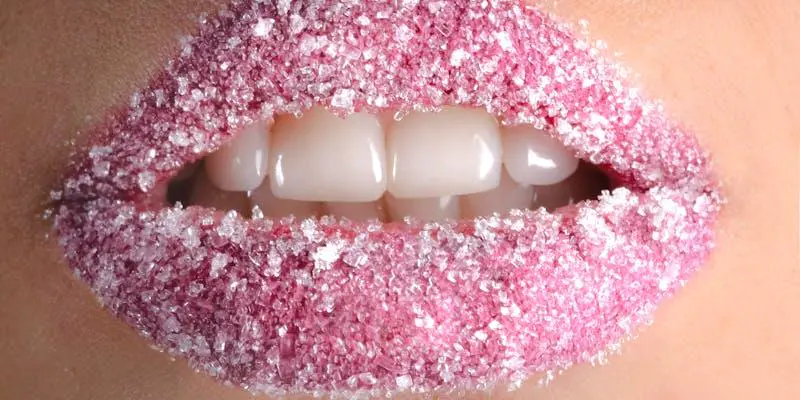
The allure of plump lips has been significantly amplified by social media, reshaping the very essence of beauty. Even if you weren't born with them, you can achieve the appearance of fuller lips with the right techniques. Many of the social media influencers you admire likely use these sophisticated methods to enhance their lips. Are you ready to master the art of creating the illusion of fuller lips with makeup? Gather your makeup kit and a mirror, and let's delve into the most effective lipstick application techniques. Prime Your Lips for Perfection A thorough lip preparation is crucial for the best results when applying lip makeup. Begin by gently exfoliating your lips to remove any dead skin, resulting in a smooth and supple texture. Next, apply a hydrating lip balm to moisturize and create an ideal base for your lip color. Make sure the balm is fully absorbed before applying any lip products. This meticulous preparation is vital for a smooth and long-lasting lip finish. Boost Lip Volume with Liners Select a lip liner that matches your lipstick, whether it's matte or glossy, to create the illusion of fuller lips when applied with precision. Start by slightly extending your natural lip line at the cupid's bow, then gradually return to your natural lip line as you move towards the corners of your mouth. This technique subtly enhances the appearance of your lips. Choosing a darker lip liner can further accentuate your lips. Pair matte liners with matte lipsticks for a cohesive look, or select a liner that complements a glossy finish for a luminous effect. The goal is to create enhancements that appear natural. After outlining, blend the liner into the center of your lips with your finger to achieve a gradient effect, enhancing the natural appearance of your lips. Create Fuller Lips with Glossy Finishes Glossy lipsticks can create the illusion of fuller lips by reflecting light. Apply your base lip color, then layer a glossy top coat for added shine and dimension. Matte lipsticks can also give the impression of fuller lips when applied with precision. After extending your lip line, fill in your lips with matte lipstick. Selecting a shade that complements your makeup and skin tone is essential. Maintain lip gloss throughout the day to keep your lips shiny and vibrant. Opt for a pigmented lip gloss for shimmer and color, subtly enhancing your natural lip color with light to moderate coverage. Glosses with a sheer effect can also contribute to the perception of lip fullness. For a fuller look with matte lipstick, blend a lighter shade in the center of your lips to create depth without the need for gloss. Contouring and Highlighting for Enhanced Lips Just as contouring can make cheekbones appear more prominent, it can also make your lips look larger. Apply a small amount of contour below the lower lip where the chin naturally casts a shadow. Use a creamy, blendable contour product to create a subtle shadow that gives the impression of fuller lips. Highlighting the cupid's bow, the curved dip above the upper lip, can also increase the perception of lip fullness. Apply a highlighter sparingly to prevent a fake or distracting appearance. Highlight the cupid's bow with a precise pencil that has a hint of sheen to beautifully capture light. Gently blend with your fingertip for a natural finish. Extend Lipstick Wear with Blotting and Powder Blotting and applying translucent powder can prolong the wear of your lipstick and prevent uneven fading. After applying lipstick, use a tissue to blot away any excess. Place a tissue over your lips and dust translucent powder over it with a soft brush. This sets the lip color without a cakey look. This method ensures your lipstick stays put throughout the day. Cleanse Your Lips for Optimal Application Exfoliated lips provide the perfect canvas for lipstick application. Use a gentle lip scrub to remove any rough or dry patches. You can create a lip scrub from common kitchen ingredients or purchase one ready-made. Applying lipstick with a clean toothbrush or an eyebrow

Revolutionizing the Beauty Landscape: Innovation, Sustainability, and Inner Glow
The beauty industry is on the cusp of a significant evolution. As we step into the 21st century, our understanding of beauty is broadening. It's not just about external appearances; it's about overall well-being, ethical considerations, and choices that align with our values. The future of beauty is set to be more inclusive, inventive, and meaningful, with technology and eco-friendliness leading the charge. In this piece, I will explore the trends and ideas that are reshaping the future of beauty. We'll look into the influence of technology, the importance of sustainability, and the growing emphasis on self-care and mental health. Whether you're a seasoned beauty enthusiast or just starting your skincare and cosmetics journey, this is your guide to the emerging trends in beauty. The Digital Leap: Technology's Influence on Beauty Technology is transforming every aspect of our lives, including the beauty industry. From AI-powered skincare to digital makeup trials, the blend of beauty and technology is opening up new possibilities. 1. Personalized Skincare Solutions A key advancement in beauty technology is the rise of personalized skincare. Brands are using AI and machine learning to analyze your skin and create custom products to meet your specific needs. By considering factors such as your skin type, particular concerns, and even environmental influences, these solutions offer a level of personalization that was previously unimaginable. Case Study: Companies like Proven and Atolla use algorithms to develop tailored serums and moisturizers, ensuring that each product is perfectly suited to your skin. 2. Digital Makeup Trials and Virtual Reality We no longer have to rely on guesswork to determine if a lipstick shade will match our skin tone or if a foundation will blend well. Virtual reality (VR) allows us to virtually test makeup before purchasing. Platforms such as YouCam Makeup and ModiFace let you experiment with various styles in real-time, streamlining the process of finding products that suit you. Advice: Use digital makeup applications to step out of your comfort zone and try bold colors or trends you might not have considered before. 3. Portable Beauty Devices From LED face masks to microcurrent devices, portable beauty gadgets are bringing professional treatments to your home. These devices use cutting-edge technology to target specific skin concerns, such as acne, fine lines, and dull skin. While they may require an initial investment, they can be a cost-effective solution for maintaining skin health over time. Case Study: The Foreo Luna facial cleansing brush uses sonic vibrations for deep cleansing, while the NuFACE microcurrent device helps tone and lift facial muscles. Eco-Friendly Beauty: Adopting Green Practices As consumers become more environmentally aware, the beauty sector is responding by adopting sustainable practices. From eco-friendly packaging to clean product formulations, sustainability is transitioning from a niche market to an essential demand. 1. The Clean Beauty Movement The clean beauty movement advocates for the use of safe, non-toxic ingredients that benefit both your skin and the environment. This involves avoiding harmful chemicals such as parabens, sulfates, and synthetic fragrances in favor of natural, organic, and ethically sourced alternatives. Advice: Look for certifications like USDA Organic, EWG Verified, or Leaping Bunny to verify that a product meets clean beauty standards. 2. Zero-Waste Packaging The beauty industry has been criticized for its heavy use of plastic packaging. In response, many brands are now adopting zero-waste practices, such as using recyclable, biodegradable, or refillable packaging options. Case Study: Lush offers "naked" products like shampoo bars and solid conditioners without any packaging, while brands like Kjaer Weis and Fenty Beauty provide refillable compacts for their makeup products. 3. Waterless Beauty Formulations Given that water is a precious resource and the beauty industry is one of its largest consumers, waterless beauty products, which are formulated without water, are not only more potent and effective but also more sustainable. Case Study: Brands such as Pin
Discover the Secret to Radiant Skin with the DIY Turmeric Mask
Unlock the hidden beauty of your skin with the extraordinary DIY Turmeric Face Mask, a natural elixir that has been cherished for its skin-enhancing properties across various cultures and eras. This mask is not just a simple skincare solution; it's a gateway to a more vibrant you. The hero of this mask is turmeric, a potent ingredient with a multitude of benefits. Its antioxidant capabilities are unmatched in neutralizing free radicals, thus protecting your skin from early aging signs. In addition, its anti-inflammatory and antimicrobial traits make it an excellent ally for calming inflammation, curbing acne breakouts, and even reducing the appearance of acne scars. Integrating this golden root into your skincare regimen can significantly enhance your skin's health and radiance. 1. Creating Your Custom Turmeric Mask The adventure of making your personalized turmeric face mask is both thrilling and gratifying. Start by selecting and blending the perfect ingredients. Combine finely milled turmeric powder, the rich creaminess of yogurt, and the natural sweetness of honey. Yogurt's lactic acid gently exfoliates, while honey hydrates, creating a synergistic mix that addresses a variety of skin issues. For the best results, ensure you use a fine-grade turmeric powder to prevent any harshness on your skin. Use a clean tool to evenly spread the mask across your face. Feel free to play with the proportions of the ingredients to achieve the ideal balance for your skin type. This tailored approach is what makes your homemade mask so effective, providing you with tailored advantages for your skin's unique needs. Thought to Consider: Tailor the mask's consistency to your liking. A thicker application can offer a more concentrated treatment. Cautionary Note: Be mindful that turmeric can stain fabrics. Wearing old clothes or using a dark towel is recommended to prevent any accidental staining. 2. Mastering the Application for Maximum Impact To fully realize the benefits of your homemade turmeric face mask, it's crucial to apply it correctly. Begin by cleansing your face to clear away any dirt or impurities. Then, use gentle strokes to evenly distribute the mask. Let it sit for approximately 15 to 20 minutes, allowing the ingredients to deeply penetrate and rejuvenate your skin. While the mask is working its magic, consider adding a facial massage to your routine. The soothing, circular motions not only feel luxurious but also improve blood circulation, aiding in the absorption of the mask's nutrients. Concentrate on tension-prone areas like your forehead and jawline. This step transforms your skincare into a pampering ritual that benefits both your skin and your well-being. Thought to Consider: When applying the mask, use upward motions to help combat the effects of gravity and promote a lifted, youthful look. Cautionary Note: Avoid applying the mask too close to the eyes to prevent any irritation. 3. The Comprehensive Benefits of the Turmeric Mask The benefits of a DIY turmeric face mask are vast and varied. It's about more than just instant radiance; it's about fostering long-lasting skin health. As previously mentioned, its antioxidants shield your skin from environmental stressors. Regular use can also stimulate collagen production, maintaining skin's firmness and youthfulness. This mask is a one-stop solution for reducing inflammation, managing acne, and imparting a luminous glow to your skin. Its antimicrobial properties keep your skin clear and healthy. Whether you're addressing current skin concerns or preventing future ones, this natural remedy offers a comprehensive skincare approach. Thought to Consider: For consistent results, apply the mask twice weekly. This frequency allows you to reap its benefits without overwhelming your skin. Cautionary Note: Turmeric may temporarily tint your skin, but this typically fades within a few hours. 4. Precautions for Staining and Allergies Before making the turmeric face mask a staple in your skincare routine, be aware of a few considerations. Turmeric can stain the skin, particularly

Understanding Ear Pimples: A Comprehensive Guide
Pimples can emerge in various locations on the body due to the clogging of pores with oils, dead skin cells, and other impurities, and the ears are no exception. However, treating ear pimples presents unique challenges due to limited accessibility and the potential for significant discomfort. In this piece, we delve into the reasons behind ear pimples and offer strategies for their effective management. You'll be well-equipped to address ear pimple concerns the next time they arise. Causes of Pimples in the Ear Ear pimples are a subtype of comedo, which are blocked pores. They can result from: Sebum: The oily secretions from sebaceous glands. Sweat: Generated by apocrine glands. Dead skin cells: Naturally shed by your skin. When pores become blocked, there's an increased risk of bacterial buildup, such as Cutibacterium acnes or Staphylococcus aureus. Hormonal fluctuations, particularly during puberty, can also trigger ear pimples. Varieties of Ear Pimples Pimples can take on different forms, often classified by their location or cause: Whiteheads: Common in acne-prone individuals, these are skin bumps caused by subcutaneous clogged pores and do not appear red. Blackheads: These are open comedones that darken due to exposure to air, a process known as oxidation, not due to poor hygiene. Cysts and Nodules: Deeper and not superficial, these are caused by closed sacs that can result in skin scarring. Beyond Pimples Not every ear bump is a pimple; some are rashes from earbud use, stemming from oil buildup. These can look like pimples but are often more itchy. Seeking professional advice is recommended for an accurate diagnosis. Managing Ear Pimples The cardinal rule is to avoid popping or extracting pimples yourself. Rely on professional guidance rather than solely on online advice for treating ear pimples. Popping a pimple can lead to complications like infection or pushing the pus further into the ear canal. However, if you opt for home remedies, consider the following safe options: Warm Compress Apply a warm cloth, heated on a stove or pan (ensure it's not scalding), to the affected area to help open pores and facilitate pimple drainage. Benzoyl Peroxide Many acne products contain benzoyl peroxide, which targets acne-causing bacteria and lessens the adherence of dead skin cells. Begin with a lower concentration to minimize irritation. Tea Tree Oil Tea tree oil is effective for mild acne, including ear pimples. Use a diluted form to prevent skin irritation and burning. Retinoid Cream These vitamin A-enriched creams help to dissolve the skin over the pimple, easing the expulsion of pus. Be cautious, as retinoids can cause dryness and irritation. Seeking Professional Help If the pain is intolerable or home remedies are ineffective, consult a healthcare professional. They may employ various techniques, such as cleaning the ear canal with sterile water and using a suction device to remove fluid, followed by the use of an extractor to remove pus. Prevention and Management Tips Employ daily acne treatments to alleviate pain and reduce size.
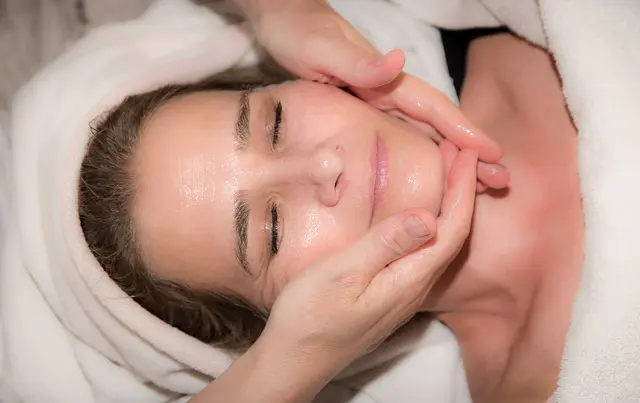
Harnessing the Union of Beauty and Well-being for a Radiant Appearance
The lines between beauty and well-being are blurring, as they are increasingly seen as complementary aspects of a holistic approach to health and self-care. The belief that true beauty is a reflection of inner health is gaining traction, with people seeking more profound and lasting ways to improve their looks and overall well-being. In this piece, I will explore the integration of beauty and well-being, offering insights on how to combine these realms for a dynamic, glowing complexion. We will cover a range of topics from nutrition and physical activity to mindfulness and skincare, examining how to cultivate beauty that emanates from the inside out. The Mind-Body Connection: How Well-being Affects Beauty The interaction between the mind and body is a powerful principle that underscores the importance of a holistic health approach. When your mental and physical states are aligned, it manifests not only in your emotional well-being but also in your outward appearance. Here's how focusing on well-being can boost your natural attractiveness: 1. Stress and Skin: The Hidden Link Chronic stress is a key factor in skin issues such as acne, eczema, and premature aging. Stress prompts the release of cortisol, which can disrupt your skin's balance. Engaging in stress-reducing practices like meditation, yoga, or deep breathing can help maintain clear and luminous skin. Tip: Practice a brief mindfulness meditation before bedtime to calm your mind and prepare your skin for overnight repair. 2. Sleep: The Ultimate Beauty Secret Sleep is often referred to as "beauty sleep" because it's during this time that your body regenerates, producing collagen and elastin, which are vital for skin firmness and elasticity. Lack of sleep can lead to a dull complexion, dark circles, and acne. Tip: Aim for 7-9 hours of quality sleep each night. Establish a pre-sleep routine that includes relaxation with a book, herbal tea, or a gentle skincare routine. 3. Hydration: The Secret to a Glowing Skin Water is essential for maintaining your skin's elasticity and softness. Dehydration can result in a dry, flaky, and tired appearance. Staying hydrated is one of the simplest yet most effective ways to improve your skin's health. Tip: Add a twist to your water intake by infusing it with fruits like lemon, cucumber, or berries for a refreshing flavor that encourages increased hydration. Nutrition: Feeding Your Skin for a Brighter Complexion The saying "you are what you eat" holds especially true for beauty. Your diet has a significant impact on the health of your skin, hair, and nails. Here are key nutrients to incorporate into your diet for a radiant complexion: 1. Antioxidants: Your Skin's Protectors Antioxidants like vitamins C and E protect your skin from oxidative stress, which can lead to premature aging. Foods rich in antioxidants include berries, citrus fruits, nuts, and leafy greens. Tip: Start your day with a smoothie packed with spinach, blueberries, and a splash of orange juice for a potent antioxidant boost. 2. Omega-3 Fatty Acids: The Path to Supple Skin Omega-3s are essential fats that maintain your skin's moisture barrier, ensuring hydration and fullness. Omega-3s can be found in fatty fish like salmon, as well as in flaxseeds, chia seeds, and walnuts. Tip: Add a tablespoon of chia seeds to your yogurt or oatmeal for an easy omega-3 boost. 3. Collagen-Rich Foods Collagen is the protein that supports your skin's firmness and elasticity. As we age, collagen production naturally decreases, but certain foods can support it. Bone broth, chicken, fish, and egg whites are all high in amino acids that build collagen. Tip: Savor a cup of bone broth as an afternoon snack to nourish your skin from within. Fitness: Working Out for Enhanced Beauty Exercise is not just beneficial for your body but also for your skin. Regular physical activity improves blood circulation, which aids in

Unveiling the Secrets of Collagen: Its Role, Benefits, and How to Maximize Its Impact on Your Health
Collagen, a protein that is both plentiful and crucial in our bodies, is key to the structural framework of tissues like skin, bones, and tendons. Acting as a cornerstone for our body's framework, it aids in tissue repair and renewal, while also bolstering skin's firmness and flexibility. As we grow older, collagen production wanes, leading to the emergence of age-related issues such as wrinkles and joint pain. The growing awareness of collagen's significance has led to a surge in collagen-enriched diets and supplements, which are believed to help in delaying the signs of aging and improving overall health. Recognizing the importance of collagen and ensuring its adequate presence in our systems is essential for those aiming to enhance their health and maintain a youthful appearance. Collagen's Health Benefits The numerous health benefits of collagen are vital for sustaining an active and healthy life. Its positive effects on skin health are particularly well-known. As a core component of skin structure, collagen helps to keep the skin soft and hydrated, significantly contributing to a youthful look. By fostering skin regeneration and repair, collagen aids in wound healing and shields the skin from environmental stressors, thus preserving skin health. Skin and Anti-Aging Collagen's anti-aging advantages are not limited to just the appearance of the skin. It is also critical for joint health. Collagen helps in maintaining cartilage, the tissue that cushions and protects joints. As collagen levels decrease with age, the risk of developing degenerative joint diseases such as osteoarthritis rises. Collagen supplements can help to alleviate joint pain and inflammation, thereby improving mobility and overall quality of life. Bone and Joint Health Collagen is also essential for bone health. As the main component of bones, it provides the necessary structure and strength. The loss of collagen over time can lead to reduced bone density and an increased risk of fractures. Studies suggest that collagen supplements can enhance bone mineral density and overall bone strength. This is especially significant for postmenopausal women who are at a higher risk of osteoporosis. Natural Collagen Sources Collagen can be obtained from various food sources, playing a significant role in many biological functions. Foods derived from animals that are rich in connective tissues are primary sources of collagen. For instance, bone broth, which is made by simmering bones and connective tissues, is rich in collagen. Tough cuts of meat such as beef shanks, pork feet, chicken wings, and thighs are also excellent sources. Fish skin, which is particularly high in type I collagen, is another valuable source of collagen. Vegetarian and Plant-Based Sources For those who do not consume animal products, there is an alternative way to obtain collagen indirectly from plants. Although plants do not naturally contain collagen, certain foods and nutrients can support the body's collagen production. Nuts, seeds, beans, and legumes are rich in amino acids that are essential for collagen synthesis. Garlic, which is high in sulfur, also helps in collagen formation and protects it from degradation. Plant-Based Options and Enhancers Maintaining collagen levels can be achieved through both direct and indirect methods, including dietary and lifestyle choices. To preserve collagen, it is recommended to limit sugar intake, avoid prolonged sun exposure, and abstain from smoking. Regular physical activity, especially resistance training, can also stimulate collagen production in muscles and tendons. Collagen Supplements: Varieties and Considerations Collagen supplements have become increasingly popular in the health and wellness industry, with a variety of formulations available to cater to individual needs. Understanding the different types of collagen supplements is essential for making an informed decision. Types I, II, and III are the most common types found in supplements, each with specific functions. Type I collagen is popular for its aesthetic benefits, as it is found in hair, nails, and skin. Type II collagen, primarily found in cartilage, supports joint health. Type III collagen, often combined with Type I, supports skin elasticity and the structure of muscles and organs. Types of Collagen Supplements Collagen supplements are available in several forms

The Connection Between Skincare and Mental Well-being: Your Skin as a Mirror to Your Inner Health
Recently, the interplay between mental health and physical health has gained more attention. Yet, one crucial aspect that is often overlooked is the profound link between our psychological state and the condition of our skin. As a beauty expert and skincare enthusiast, I've come to understand that our skin is not merely a protective barrier—it also reflects our emotional state, stress levels, and overall mental well-being. In this article, I explore the fascinating relationship between skincare and mental health and discuss how acknowledging this connection can lead to healthier and more radiant skin. The Skin-Mind Connection: How Emotions and Stress Affect Skin The skin and brain are deeply connected, originating from the same embryonic tissue. This connection, known as the "skin-mind axis," suggests that psychological stress and emotions can have tangible effects on the skin. Here's how: Stress and Pimples: Stress prompts the release of cortisol, which can increase sebum production. Excessive sebum can lead to blocked pores and acne breakouts, commonly seen during high-stress periods such as exams or intense work projects. Anxiety and Skin Irritation: Anxiety can compromise the skin's barrier function, making it more susceptible to irritation and redness. Stress can exacerbate conditions like eczema and rosacea, creating a cycle of discomfort and heightened self-consciousness. Depression and Skin Condition: Depression can lead to neglect of self-care routines, including skincare. Coupled with poor sleep and nutrition, this can result in dull complexions. Furthermore, depression can slow down the skin's natural healing processes, impeding recovery from damage. Emotional Trauma and Skin Disorders: Studies show that emotional trauma, such as grief or abuse, can trigger or worsen chronic skin conditions like psoriasis and vitiligo. The mind-body connection is so strong that addressing emotional distress is often essential in managing these conditions. Recognizing the skin-mind connection is vital to breaking this cycle. By managing stress and prioritizing mental health, we create a foundation for healthier skin. Mindful Skincare: Turning Your Routine into a Self-Care Practice Skincare is not just about achieving flawless skin—it can also be a self-care practice that supports your mental health. Here's how to make your skincare routine a mindful and therapeutic experience: Pause and Breathe: Instead of rushing through your routine, take a moment to breathe deeply before starting. Focus on the texture of the products, the scent of your cleanser, or the warmth of your hands as you apply your moisturizer. This mindfulness can help reduce stress and bring you into the present moment. Incorporate Aromatherapy: Essential oils like lavender, chamomile, and rose have calming properties. Adding these to your skincare routine or using a facial mist can create a soothing, spa-like environment that calms both skin and mind. Practice Gratitude: As you apply products, take a moment to appreciate your skin for its functions—protection, temperature regulation, and sensation. Cultivating gratitude can shift your perspective from criticism to acceptance. Establish a Routine: Turn your skincare into a daily ritual that marks the beginning or end of your day. Light a candle, play soft music, or use a gua sha tool for facial massage. These small, intentional acts can make your routine feel special and nourishing. The Value of Professional Support: When to Seek Therapy for Skin Concerns While a mindful skincare routine can benefit mental health, there are times when professional help is necessary. If chronic skin conditions are affecting your self-esteem or mental health, seeking support is essential. Here's how therapy can assist: Cognitive Behavioral Therapy (CBT): CBT helps identify and change negative thought patterns. For those with conditions like acne or psoriasis, CBT can reduce feelings of shame and improve self-esteem. Mindfulness-Based Stress Reduction (MBSR): MBSR combines meditation and yoga to manage stress and anxiety. It can be particularly helpful for those with stress-triggered skin conditions. Support Networks: Connecting with others who have similar skin conditions
Navigating Skincare in Wet Weather: A Guide for Acne-Prone Skin
When the weather turns wet and rainy, it can present unique challenges for skincare, especially for individuals with acne-prone skin. The increase in humidity and the presence of airborne pollutants can exacerbate skin issues, potentially leading to clogged pores and acne breakouts. To keep your skin looking fresh and healthy during the rainy season, it's important to adapt your skincare routine accordingly. This guide offers a thorough set of strategies and considerations for skincare during rainy days to help prevent acne. Does Rain Affect Acne? While rain isn't the direct culprit behind acne, it can contribute to conditions that may worsen acne for some individuals. The higher humidity levels associated with rain can stimulate the skin's oil production. This surplus oil, when combined with sweat and dirt, can result in blocked pores and subsequent acne breakouts. Additionally, rainwater might contain pollutants and bacteria that can irritate the skin and trigger acne. By adjusting your skincare routine to account for these factors, you can mitigate their impact and maintain clear skin. Rainy Day Skincare Tips for a Clear Complexion To prevent acne during rainy days, consider the following detailed advice: Daily Cleansing with a Gentle Cleanser Washing your face twice a day is essential for removing accumulated dirt, oil, and pollutants, thus preventing clogged pores. Choose a gentle cleanser that is suitable for your skin type. For those with oily skin, a foaming or gel cleanser may be appropriate, while those with dry or sensitive skin might prefer a creamy or hydrating cleanser. A thorough yet gentle cleansing routine will help protect your skin's natural barrier. Choose a Non-Comedogenic Moisturizer Moisturizing is vital for maintaining skin health, even on rainy days. Select a non-greasy, oil-free moisturizer to keep your skin hydrated without causing pore blockage. Ingredients like hyaluronic acid, glycerin, and aloe vera provide hydration without adding excess oil. Apply a Broad-Spectrum Sunscreen Sunscreen is a crucial component of any skincare routine, regardless of the weather. UV rays can penetrate clouds and rain, leading to skin damage. Apply a broad-spectrum sunscreen with an SPF of at least 30 to protect your skin from UVA and UVB rays. Opt for a non-comedogenic formula to avoid clogging pores. Opt for Non-Comedogenic Makeup Higher humidity can increase the risk of clogged pores and breakouts. Non-comedogenic makeup products are designed to prevent pore blockage. Seek out products that are labeled as oil-free and non-comedogenic. Use Oil-Absorbing Sheets High humidity can make your skin appear oily. Oil-absorbing sheets or blotting papers can help control excess oil throughout the day. Gently press the sheet against your skin to absorb oil without disturbing your makeup. Keep Hair Off Your Face Rain can make your hair damp and dirty, potentially transferring oil and dirt to your face. Keeping your hair pulled back or using a headband can prevent this transfer. This simple step can help reduce breakouts and keep your skin clean. Stay Hydrated Maintaining hydration is essential for skin health. Drink plenty of water to keep your skin hydrated from the inside out. Proper hydration helps maintain a healthy complexion and prevents dryness or flakiness. Rainy Day Skincare Don'ts To avoid acne during rainy weather, steer clear of the following: Avoid Heavy, Oil-Based Moisturizers Heavy moisturizers can clog pores, especially in humid conditions. Opt for lightweight, non-comedogenic moisturizers to keep your skin hydrated without causing breakouts. Avoid Touching Your Face Rainy conditions can be muddy, and touching your face with dirty hands can transfer bacteria and dirt, potentially

Harnessing Hydration for Radiant Skin: The Necessity of Water Intake
Achieving healthy, vibrant skin is a goal many strive for, with a myriad of products and routines available to assist. Yet, a fundamental practice that supports skin health is frequently undervalued: hydration through water consumption. While external skincare is crucial, the key to robust skin health begins internally—with sufficient water intake. Water is indispensable for skin well-being, influencing factors such as skin's elasticity, hydration, premature aging, and acne prevention. This article delves into the importance of hydration for skin radiance, the scientific basis of water's impact on skin, and strategies to enhance your hydration habits for optimal skin health. 1. The Science Behind Skin Hydration The skin, being the body's largest organ, necessitates proper hydration for peak performance. Water constitutes a significant part of the skin, with roughly 64% of the skin's surface being water. Hydration affects the skin's capacity to maintain hydration, elasticity, and self-repair from environmental stressors. 1.1 Hydration's Role in Skin's Protective Barrier The skin's outer layer, the stratum corneum, is vital for hydration maintenance. It contains natural lipids and proteins that prevent water loss, keeping the skin hydrated and shielded from harmful elements. Well-hydrated skin has an enhanced barrier function, effectively retaining moisture and protecting against pollutants, bacteria, and UV rays. Adequate hydration bolsters the skin's barrier, preventing dryness and irritation. Dehydration, however, can weaken this barrier, leading to moisture loss and skin compromise. 1.2 Water's Importance for Skin Cell Function Water is essential for the correct operation of skin cells. It aids in the transportation of nutrients and oxygen to skin cells and the removal of toxins and waste. Adequate hydration ensures skin cells remain healthy, functioning well, and capable of self-repair. Insufficient water intake can impair skin cell efficiency, leading to dullness, dryness, and a higher risk of acne and other skin issues. Internal hydration supports cell regeneration and smooth function, contributing to clearer, more youthful skin. 2. The Impact of Water on Skin Health The advantages of hydration extend beyond mere refreshment. Adequate water intake can significantly enhance skin appearance and health. Here's how water contributes to maintaining your skin's best condition: 2.1 Enhancing Moisture and Softness Staying hydrated helps the skin maintain moisture, acting as a natural moisturizer. It plumps the skin, preventing dryness and flakiness. Proper hydration keeps skin cells hydrated, leading to a smooth, supple texture. Dehydrated skin often appears dull, lacking luster, with more visible wrinkles and fine lines due to reduced plumpness and firmness. Drinking water regularly helps keep the skin hydrated, youthful, and radiant. 2.2 Minimizing Wrinkles Dehydrated skin is more susceptible to wrinkles and fine lines due to loss of elasticity. Staying hydrated helps maintain skin's natural volume and elasticity, reducing the appearance of aging signs. Well-hydrated skin appears fuller and smoother, with less visible wrinkles and fine lines. While water won't erase wrinkles, it can slow aging and maintain a youthful appearance. 2.3 Preventing Acne and Skin Issues Water is crucial for detoxifying the body by flushing out toxins and waste, helping keep the skin clear and preventing impurities that lead to acne. Regular water intake supports the body's detoxification, reducing blemish and breakout occurrences. Dehydration can cause the skin to produce excess oil, leading to clogged pores and acne. Staying hydrated balances oil production, promoting a clearer complexion. 2.4 Facilitating Skin Healing and Repair Water is necessary for skin healing and repair, whether from minor cuts, sunburn, or acne. It aids in circulating nutrients and oxygen to
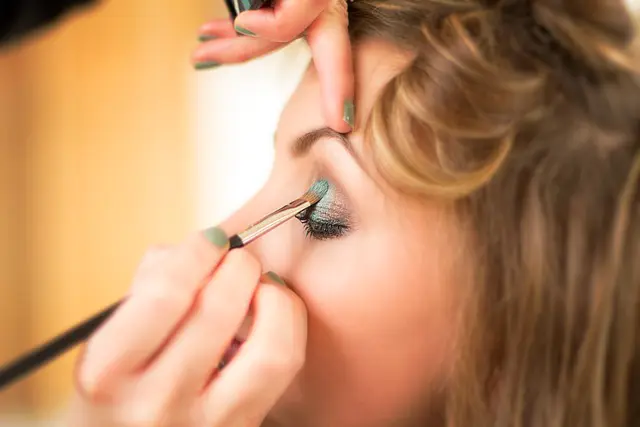
Discovering the Path to Radiant Skin: A Guide to Natural Luminosity
Embarking on a journey to achieve luminous skin can be daunting due to the multitude of beauty products and elaborate routines that exist. However, the secret to a natural glow is often found in simplicity. Many effective methods for attaining radiant skin are surprisingly uncomplicated and do not require an extensive beauty regimen or a multitude of products. This article will highlight some simple yet powerful habits that can contribute to the skin luminosity you've always aspired to. Whether your aim is to refine your skin's texture, reduce dullness, or just enhance your skin's overall appearance, these straightforward practices incorporated into your daily routine can greatly improve your complexion. 1. Simplified Skincare: Building Blocks for a Glowing Complexion Skin that glows is not just about the products you use, but also about the consistency and mindfulness in your skincare routine. Start with the basics and create a routine that suits your skin's natural needs. 1.1 Gentle Cleansing Cleansing is the foundation of any skincare routine. Choosing the right cleanser is essential as it removes dirt, makeup, and impurities while maintaining the skin's natural oils. Balanced natural oils are crucial for preserving your skin's healthy glow. Tip: Opt for a mild, non-foaming cleanser that is enriched with hydrating ingredients such as glycerin or aloe vera to help maintain skin hydration. 1.2 Moisturizing Hydration Hydration is key for skin radiance. Hydrated skin appears plump and luminous, effectively reflecting light. Adequate hydration not only improves skin texture but also reduces the visibility of fine lines and promotes overall skin health. Tip: Incorporate a hyaluronic acid serum into your routine to bind moisture to your skin, resulting in a refreshed and plump complexion. Finish with a moisturizer to lock in hydration. 1.3 Sun Protection Crucial While it may seem obvious, sunscreen is indispensable for maintaining radiant skin. Sun exposure can lead to premature aging, hyperpigmentation, and uneven skin tone, all of which can contribute to a dull appearance over time. Tip: Choose a broad-spectrum sunscreen with at least SPF 30 and apply it daily, regardless of weather conditions or proximity to windows indoors. 2. Nutritional Practices for Enhanced Skin Luminosity The food you consume significantly impacts your skin's appearance and health. A balanced diet rich in nutrients that are beneficial to the skin can help your skin achieve its optimal appearance from within. 2.1 Internal Hydration Sufficient water intake is essential for skin hydration, but other fluids such as herbal teas or hydrating fruits and vegetables also contribute to your daily hydration. Hydrated skin appears fuller, more supple, and radiant. Tip: Aim to consume at least 8 cups of water daily, and include hydrating foods such as cucumbers, watermelon, and celery in your diet. 2.2 Antioxidants for a Vibrant Complexion Antioxidants are crucial in protecting your skin from free radical damage, which can lead to premature aging and a dull appearance. Foods rich in antioxidants, such as berries, leafy greens, and nuts, can neutralize these free radicals, keeping your skin healthy and vibrant. Tip: Boost your antioxidant intake by adding more blueberries, spinach, and almonds to your meals. 2.3 Omega-3 Fatty Acids for Skin Nourishment Healthy fats, particularly omega-3 fatty acids, are essential for maintaining your skin's health and appearance. These fats help to nourish the skin and keep it supple and glowing.

The Role of Sleep in Skin Wellness: A Key to Glowing Skin
Although it is a well-known fact that sleep is essential for our overall well-being, its crucial role in maintaining healthy skin is often overlooked. The interplay between sleep and skin health is a critical yet frequently disregarded component of achieving a clear and youthful complexion. Overnight, our bodies undergo vital repair and rejuvenation processes that are highly beneficial for our skin. This includes boosting cell turnover and increasing collagen production, making quality sleep a fundamental element for beautiful skin. In this article, we explore the impact of sleep on skin wellness, the scientific mechanisms involved, and tips for improving your sleep habits to wake up each day with revitalized, glowing skin. 1. Scientific Linkages Between Sleep and Skin Wellness During sleep, your body enters a phase of repair and rejuvenation that affects not only your muscles and internal organs but also your skin. In deep sleep, your body releases growth hormones that promote cell repair, regeneration, and the production of collagen. These processes are vital for preserving a youthful and healthy skin appearance. 1.1 Skin Cell Turnover and Regeneration Sleep plays a significant role in the process of skin cell turnover. Skin cells are continuously being renewed, with older cells being replaced by newer, healthier ones. This renewal process is most active during sleep. Adequate sleep ensures that your skin can effectively repair and regenerate, leading to a smooth and clear complexion. Lack of sleep can slow down this renewal process, resulting in a dull and tired skin appearance and potentially exacerbating conditions such as acne and wrinkles. By ensuring sufficient sleep, you allow your skin to renew itself effectively, leading to a more vibrant and fresh appearance. 1.2 Collagen Production and Skin Elasticity Collagen, a protein that provides structure and elasticity to the skin, naturally decreases with age, leading to wrinkles and sagging. However, during sleep, collagen production is enhanced, helping to maintain the skin's firmness and smoothness. Lack of sleep can disrupt this process, reducing collagen levels and increasing visible signs of aging. Prioritizing sleep supports collagen synthesis and helps maintain the skin's youthful appearance. 2. The Effects of Sleep on Skin Condition In addition to promoting cell turnover and collagen production, sleep also influences various aspects of skin health, including hydration, inflammation, and the presence of dark circles. Here's how sleep affects your skin condition: 2.1 Skin Hydration and Moisture Balance Sleep is essential for maintaining the skin's hydration levels. While resting, the body rebalances its hydration, allowing the skin to retain moisture. Poor sleep can lead to dehydration, causing the skin to appear dry, flaky, and more prone to fine lines and wrinkles. Moreover, during sleep, the skin's natural barrier function is restored, enhancing its ability to retain moisture throughout the day. Ensuring adequate sleep helps keep your skin hydrated and plump, leading to a more youthful and radiant complexion. 2.2 Inflammation and Skin Health Chronic sleep deprivation can trigger systemic inflammation, which may manifest on the skin. Inflammatory responses can result in redness, puffiness, acne flare-ups, and conditions such as eczema or psoriasis. Sleep allows the immune system to actively repair and reduce inflammation, providing relief to the skin. Sufficient quality sleep can regulate inflammatory responses, preventing skin conditions from worsening. Additionally, good sleep can improve the skin's healing capabilities from injuries, acne breakouts, or irritation. 2.3 Dark Circles and Puffy Eyes Insufficient sleep is often linked to dark circles and puffiness around the eyes. Lack of rest can cause the blood vessels under your eyes to dilate, leading to dark shadows. Sleep deprivation also causes fluid retention, resulting in swollen, puffy eyes. Adequate sleep helps reduce the appearance of dark circles and puffiness by improving circulation and reducing fluid buildup, contributing to a refreshed and youthful appearance upon waking. 3. Sleep Duration and Skin Health: The Ideal Sleep for Radiant Skin The ideal amount of sleep for skin health
Mastering the Art of Lipstick: Tips for Longer Wear and Plump Lips 5153
The influence of social media has led to a renewed appreciation for the allure of full, sensuous lips, redefining beauty standards. Even if you weren't born with them, you can create the illusion of fuller lips by employing the right makeup techniques. Many of the influencers you admire likely use these expert tips to enhance their lips. Are you ready to become adept at achieving fuller lips or at least the appearance of them with your cosmetics? Grab your makeup kit and a mirror, and let's explore some top-notch lipstick application secrets. Prepare Your Lips for Perfection To ensure your lip makeup looks its absolute best, it's essential to have a solid prepping routine. Begin by softly exfoliating your lips to eliminate dead skin, leaving them soft and smooth. Then, apply a hydrating lip balm to nourish and provide a flawless base for your lip color. Ensure the balm is fully absorbed before applying any lip products. Proper preparation is key to achieving a seamless and enduring lip look. Enhance Lip Volume with Liners A lip liner can create the illusion of fuller lips when applied with precision. Select a lip liner that matches your lipstick, whether you're going for a matte or glossy finish. Start by slightly extending your natural lip line at the cupid's bow, then smoothly transition back to your natural lip line as you reach the corners of your mouth. This method subtly enhances your lips' appearance. Employing a darker lip liner can further define your lips. Pair matte liners with matte lipsticks for a harmonious look, or opt for a liner that complements a glossy finish for a radiant effect. The objective is to achieve enhancements that appear natural. After outlining, blend the liner into the center of your lips with your finger to create a gradient effect, enhancing your lips' natural beauty. Achieve Fullness with Glossy Lipsticks Glossy finishes can give the impression of fuller lips by reflecting light. Apply your base lipstick color, then add a glossy top coat for added shine and dimension. Matte finishes can also create the appearance of fuller lips when applied correctly. After extending your lip line, fill in your lips with matte lipstick. Choosing a shade that complements your makeup and skin tone is crucial. Maintaining lip gloss throughout the day keeps your lips shiny and looking fresh. Opt for a pigmented lip gloss for a shimmer and color boost, enhancing your natural lip color with light to medium coverage. Glosses with a sheer finish can also add to lip fullness. For a fuller look with matte lipstick, blend a lighter shade in the center of your lips to create depth without the need for gloss. Contour and Highlight for Enhanced Lips Contouring can make your lips appear larger, similar to how it works with cheekbones. Apply a small amount of contour below the lower lip where the chin casts a natural shadow. Use a creamy, blendable contour product to create a subtle shadow that gives the impression of fuller lips. Highlighting the cupid's bow, the curved dip above the upper lip, can also increase the perception of lip fullness. Use a highlighter sparingly to avoid an artificial or distracting appearance. Highlight the cupid's bow with a precise pencil that has a hint of sheen to capture light beautifully. Gently blend with your fingertip for a natural look. Extend Lipstick Wear with Blotting and Powder Blotting and applying translucent powder can prolong the wear of your lipstick and prevent uneven fading. After applying lipstick, use a tissue to blot away any excess. Place a tissue over your lips and dust translucent powder over it using a soft brush. This sets the lip color without creating a cakey appearance. This method ensures your lipstick stays put all day. Cleanse Your Lips for Optimal Results Exfoliated lips provide the perfect canvas for lipstick application. Use a gentle lip scrub to remove any rough or dry patches. You can make a lip scrub from common kitchen ingredients or purchase one ready-made

Dispelling Anti-Aging Skincare Misconceptions
Introduction: The realm of anti-aging skincare is rife with overblown statements, extravagant promises, and deceptive marketing practices. In this article, we delve into prevalent misconceptions about anti-aging skincare, debunk them, and shed light on the scientific basis of effective anti-aging regimens. Myth 1: Anti-Aging Skincare Commencement in Your 40s Fact: Prevention is paramount. The onset of skin aging commences much earlier than the appearance of the initial fine lines. In reality, the molecular aging process begins in your 20s with a reduction in collagen synthesis. Incorporating anti-aging components like antioxidants and sun protection at an early stage can mitigate the visible signs of aging, facilitating the maintenance of youthful skin as you progress in age. Myth 2: High-End Products Guarantee Superior Results Fact: The cost of a product does not necessarily reflect its effectiveness. Numerous costly skincare products include superfluous elements such as fragrances, thickeners, or luxurious packaging. The most crucial aspect is the presence of active ingredients, such as retinoids, peptides, and antioxidants, which have been scientifically validated for their ability to diminish wrinkles and enhance collagen synthesis. There are numerous budget-friendly products that incorporate these essential components. Myth 3: Retinol Is Incompatible with Sensitive Skin Fact: Although retinol may induce irritation when initially incorporated into a skincare routine, it stands as one of the most potent anti-aging ingredients. There is a spectrum of retinoid variations (e.g., retinaldehyde, encapsulated retinol) that are more considerate to the skin. Initiating with a lower concentration and incrementally increasing usage can alleviate irritation, making retinol suitable for all skin types. Myth 4: Botox and Fillers as the Sole Anti-Aging Solutions Fact: While injectable treatments such as Botox and dermal fillers can offer immediate outcomes, they are not the exclusive methods for combating aging signs. Topical applications featuring retinol, peptides, and vitamin C can stimulate collagen synthesis, refine skin texture, and lessen the visibility of wrinkles progressively. Consistent application is vital for achieving enduring results. Myth 5: Sunscreen Usage Limited to Summer Months Fact: UV damage is cumulative and can occur throughout the year, even during cloudy or cold weather. UVA rays, which are responsible for premature aging and wrinkles, penetrate the skin more deeply than UVB rays, underscoring the necessity of daily sunscreen application to prevent photoaging. Always apply a broad-spectrum sunscreen with an SPF of 30 or higher, regardless of the weather conditions. Conclusion: Anti-aging skincare hinges on a blend of scientific knowledge, consistent application, and the correct ingredients. By dispelling prevalent myths and concentrating on efficacious, evidence-based treatments, you can retain your skin's youthful glow and decelerate the onset of visible aging signs.
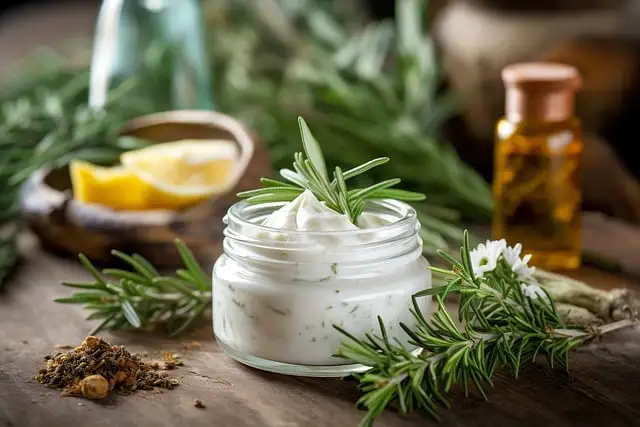
Transforming the Beauty Industry: New Dynamics and the Evolving Landscape
The beauty industry is currently experiencing a profound metamorphosis, driven by new trends, innovative technologies, and changing consumer tastes. Traditionally focused on surface-level aesthetics, the sector has now broadened to include technology, inclusivity, sustainability, and mental well-being. Today's beauty market is more dynamic and forward-thinking, with consumers reimagining what beauty means, challenging its conventional limits, and discovering fresh avenues for engagement. This piece explores the key shifts that are redefining the beauty industry, from the rise of health-oriented beauty products to the growing demand for purity and ethics. We will also look at how advancements in technology, particularly AI and AR, are altering how consumers interact with beauty offerings. Prepare to embark on a journey into the future of beauty, which is not just a distant prospect but a current phenomenon. 1. The Growing Intersection of Beauty and Health While beauty was once limited to physical appearance, the industry has seen a significant shift, with a growing number of brands combining beauty and wellness. Adopting a comprehensive approach to self-care, beauty has evolved beyond mere products to become a lifestyle that nurtures the well-being of the body, mind, and soul. Integrated Beauty and Nutrition The popularity of nutraceuticals, or beauty supplements, has surged in line with the broader wellness trend. Consumers are increasingly aware that beauty encompasses more than just topical treatments; it also involves nourishment from within. From collagen-boosting powders to vitamin C-rich antioxidants, these supplements have become a staple in daily routines. Brands are leading the way in this area, offering edible beauty solutions that promise glowing skin, strong nails, and shiny hair. Simultaneously, the link between gut health and skin health has gained traction. Probiotic skincare and supplements that target the microbiome are becoming more popular. The gut-skin connection has sparked the creation of microbiome-friendly products aimed at achieving skin balance, reducing acne, inflammation, and signs of premature aging. Stress Relief and Beauty As mental health and stress management become more prominent in discussions of well-being, beauty brands are incorporating wellness into their product lines. Consider facial oils with calming lavender, sleep-inducing face masks, and soothing skincare designed to offer a moment of tranquility amidst the chaos. The beauty routine itself has transformed into a self-care ritual. Evening skincare routines or morning makeup applications are now seen as acts of mindful self-care. This evolution highlights that beauty is as much about nurturing one's mental health as it is about physical appearance. 2. Clean Beauty: Beyond a Trend Clean beauty has moved from a niche interest to a mainstream movement. Consumers are becoming more aware of the ingredients in their skincare and cosmetics and the environmental impact of the brands they support. As a result, the clean beauty market is thriving and evolving to include sustainability, transparency, and ethical considerations. Ingredient Transparency and Safety The demand for transparency is a major driver of the clean beauty movement. Today's consumers are more knowledgeable about the ingredients in their skincare and cosmetics. Brands that are open about their sourcing, production, and testing processes are gaining trust and market share. Ingredients such as parabens, sulfates, phthalates, and synthetic fragrances, once common, are now being scrutinized. Clean beauty advocates are urging brands to adopt safer, non-toxic alternatives that are just as effective without harmful side effects. However, "clean" is not just about the absence of harmful chemicals. It represents a holistic approach to product development—advocating for plant-based ingredients, cruelty-free practices, and ethical sourcing. An increasing number of brands are creating sustainable products, pursuing cruelty-free certifications, and ensuring ethical supply chains. Sustainable Practices Clean beauty is not just about ingredients—it's also about manufacturing processes. Sustainable packaging is a hot topic, with companies aiming for zero-waste solutions. Beauty brands are introducing refillable packaging, glass containers, and biodegradable materials to reduce their environmental impact. The industry's reliance on plastic is being questioned, with companies choosing alternatives like aluminum or bamboo or offering product refill services to minimize container purchases. Moreover, ethical sourcing and carbon footprint reduction are becoming critical considerations in the clean beauty movement.

Skincare Conversations: Combating T-Zone Acne with Expert Derm Tips
Have you ever pondered the reasons behind those pesky T-Zone pimples? Dermatology Direct Messages (Derm DMs) unravel the mysteries surrounding this prevalent skincare concern. By delving into the root causes and offering solutions endorsed by dermatologists, we can gain a deeper understanding of these bothersome blemishes and tackle them effectively. Acknowledging the specific requirements of your T-Zone is key to a successful skincare regimen. Derm DMs provide expert advice and personalized tactics for attaining a clearer and healthier complexion. The focus is not solely on treating breakouts; it's also about comprehending the unique demands of your T-Zone. Let Derm DMs guide you through the complexities and help you achieve a glowing skin tone. Deciphering the T-Zone The T-Zone, which includes the forehead, nose, and chin, is the face's central area. It tends to be more oily compared to other regions, with a higher density of sebaceous glands. Derm DMs stress the significance of knowing your precise skin type to efficiently deal with T-Zone acne. Identifying the particular traits of this zone is vital for crafting a skincare routine that mitigates excessive oil secretion and forestalls acne. Primary Causes of T-Zone Acne Derm DMs illuminate the factors that contribute to T-Zone acne. Let's delve into these elements: Overactive Sebum Glands: The T-Zone boasts a greater number of oil glands. When these glands become overly active, they can lead to an overproduction of oil, fostering an environment conducive to acne-causing bacteria. This, along with the accumulation of dead skin cells, can result in acne. Blocked Pores: The T-Zone is susceptible to pore blockages due to the accumulation of dead skin cells and other impurities. Regular exfoliation is essential to prevent this and keep pores unobstructed. Hormonal Changes: Hormonal shifts during puberty, menstruation, or due to stress can stimulate overproduction of oil and lead to acne. Adhering to a consistent skincare routine can help manage acne triggered by hormones. Inappropriate Skincare Products: Utilizing products that are too harsh or mismatched for your skin type can worsen T-Zone acne. Selecting non-comedogenic products suitable for oily or combination skin is crucial. Derm DM-Approved Remedies Dermatology Direct Messages (Derm DMs) propose practical remedies for managing T-Zone acne, underscoring the importance of a customized skincare routine: Mild Cleansing Derm DMs advocate for the inclusion of a gentle, mild cleanser in your skincare routine. Cleansing the T-Zone twice daily aids in the removal of excess oil, grime, and impurities without causing irritation. A gentle cleanser preserves the skin's natural barrier while effectively managing T-Zone acne. Routine Exfoliation Incorporating routine exfoliation into your skincare regimen is essential. Exfoliation eliminates dead skin cells that may clog pores. Derm DMs suggest using a mild exfoliant containing ingredients like salicylic acid, which can penetrate oil-filled pores and prevent breakouts. Hydrating Moisturizer Contrary to the belief that moisturizing can aggravate oily skin, Derm DMs recommend maintaining a balanced hydration. An oil-free, non-comedogenic moisturizer hydrates the skin without causing pore blockages. Adequate moisturization helps maintain the skin's moisture balance and prevents excessive oil production. Specific Treatments For persistent T-Zone acne, Derm DMs recommend targeted treatments with active ingredients such as benzoyl peroxide or retinoids. Benzoyl peroxide possesses antibacterial properties, while retinoids encourage cell turnover to prevent acne. However, it's essential to consult with a dermatologist before initiating these treatments to ensure they are suitable for your
Harnessing Nutrition for Flawless Skin: Dietary Secrets to a Radiant Appearance
The quest for flawless, luminous skin can seem daunting, with a barrage of skincare products and treatments vying for our attention. Despite the allure of external solutions, the secret to beautiful skin starts from within: our diet. The food we consume profoundly influences our skin's health, and a balanced diet can lead to clearer, more youthful, and radiant skin. This article delves into the critical role nutrition plays in maintaining skin health, spotlighting the essential vitamins, minerals, and nutrients that contribute to a healthy complexion. We will also explore the scientific basis of how certain foods affect skin and offer guidance on how to nourish your way to improved skin health. 1. The Nexus of Diet and Skin Wellness Your skin, much like the rest of your body, necessitates vital nutrients for optimal health. A well-rounded diet aids in skin cell regeneration, combats free radicals, and preserves the skin's moisture equilibrium. Poor nutrition can manifest in various skin issues, such as dryness, acne, lackluster appearance, and early aging signs. 1.1 Nutrition's Impact on Skin Physiology Skin cells depend on a steady flow of nutrients for optimal performance. For instance, vitamin C is crucial for the synthesis of collagen, which provides the skin with structural integrity, while antioxidants like vitamin E shield the skin from environmental harm. Additionally, healthy fats are essential for preserving the skin's moisture barrier, ensuring hydration and fullness. When the body lacks these nutrients, the skin may appear dull, dehydrated, or acne-prone. On the other hand, a diet replete with skin-friendly nutrients can foster healthy, glowing skin and prevent common dermatological concerns. 1.2 The Significance of Antioxidants Antioxidants are food-derived compounds that neutralize free radicals—unstable molecules that can cause skin cell damage and speed up the aging process. Free radicals are generated through exposure to environmental stressors such as ultraviolet rays, pollution, and tobacco smoke. By enriching your diet with antioxidants, you can safeguard your skin from oxidative stress and delay the onset of aging. The most potent antioxidants for skin health include vitamins C and E, beta-carotene, and selenium. These nutrients protect the skin from environmental stress and foster cell renewal, resulting in a clearer, more youthful visage. 2. Nutrients for a Healthy, Luminous Skin Now that we've established the link between nutrition and skin health, let's examine some of the most crucial nutrients that contribute to a radiant complexion. 2.1 Vitamin C: Catalyst for Collagen and Radiance Vitamin C is paramount for skin health. It is vital for collagen synthesis, which is essential for skin structure and firmness. Collagen imparts elasticity to the skin, preventing sagging and wrinkle formation. In addition to bolstering collagen production, vitamin C is a potent antioxidant that shields the skin from ultraviolet damage and environmental pollutants. It also enhances skin brightness and mitigates the appearance of dark spots and hyperpigmentation. Foods abundant in vitamin C include citrus fruits, berries, kiwi, bell peppers, broccoli, and leafy greens. Incorporating these into your diet can significantly enhance your skin's health and appearance. 2.2 Vitamin E: Shield Against Skin Degradation Vitamin E is another powerful antioxidant that guards the skin against free radical and ultraviolet-induced damage. It also maintains skin hydration by curbing moisture loss and bolstering the skin's barrier function. Vitamin E is recognized for its anti-inflammatory properties, which can alleviate skin irritation and redness. Vitamin E can be found in foods such as almonds, sunflower seeds, spinach, and avocados. Regular consumption of these nutrient-dense foods can protect your skin from harm while promoting softness and hydration. 2.3 Omega-3 Fatty Acids: Moisture and Anti-Inflammatory Benefits Omega-3 fatty acids are essential fats that are vital for preserving the skin's moisture barrier. These healthy fats prevent water loss, keeping the skin hydrated and supple. Omega-3s also possess anti-inflammatory properties, which can

Introducing Natecium: A Game-Changer for Cellular Skin Health 5155
Natecium, a groundbreaking and potent skincare ingredient, is transforming the way we approach skin health by focusing on the cellular level. Derived from natural sources, this innovative compound is at the cutting edge of skincare science. It has demonstrated the ability to significantly improve skin cell renewal and protection. By reaching deep into the skin's layers, Natecium effectively fights the signs of aging, neutralizes environmental pollutants, and strengthens the skin's inherent defenses. In a world where youthful and radiant skin is highly sought after, Natecium's integration into skincare products is a significant step towards achieving exceptional skin health and vitality, promising a transformation that is both visible and profoundly beneficial to the skin's cellular framework. Understanding Natecium Natecium, scientifically referred to as sodium lactate methylsilanol, is a compound that originates from lactic acid and silicon. This distinctive blend creates a potent antioxidant capable of combating oxidative stress in the skin. Oxidative stress, caused by free radicals, can lead to premature aging and other skin issues. Natecium neutralizes these harmful molecules, preventing damage and promoting overall skin wellness. The Science Behind Natecium Research has shown that Natecium delivers a multitude of skin benefits: Accelerates Cell Turnover: It stimulates the synthesis of collagen and elastin, key proteins that preserve skin firmness and flexibility. This increased synthesis helps to diminish the appearance of fine lines, wrinkles, and sagging. Enhances Skin Barrier: Natecium fortifies the skin's natural protective mechanisms by encouraging ceramide production. Ceramides are lipids that form a shield against external threats like pollution and UV radiation, preventing early aging and sustaining optimal skin health. Deep Moisturization: As a powerful hydrator, Natecium draws and retains moisture within the skin, leading to a plump and hydrated appearance. Adequate hydration is essential for cellular functions such as repair and rejuvenation. The Advantages of Natecium for Skincare Incorporating Natecium into your skincare regimen offers a variety of advantages: Improved Cell Renewal: Natecium stimulates collagen and elastin synthesis, enhancing skin texture and reducing aging的迹象. Defense Against Environmental Stress: Thanks to its antioxidant properties, Natecium neutralizes free radicals and shields the skin from pollution, UV rays, and other environmental stressors. Strengthened Skin Barrier: Natecium boosts ceramide synthesis, enhancing the skin's natural defenses and maintaining peak health. Hydrating Benefits: As a moisturizing agent, Natecium attracts and retains water, resulting in a plump and hydrated complexion. Suitable for All Skin Types: Natecium is gentle and non-irritating, suitable for all skin types, including those that are sensitive or prone to acne. Discovering Natecium in Skincare Products Given its extensive benefits, Natecium is a coveted ingredient in skincare, available in various forms such as serums, moisturizers, and masks. When selecting Natecium-containing products, aim for a concentration of at least 2% for optimal results. Also, ensure the product contains other beneficial ingredients to complement and amplify Natecium's effects. Incorporating Natecium into Your Daily Routine To maximize the benefits of Natecium, integrate it into your daily skincare practices: Select High-Concentration Products: Choose products with at least 2% Natecium for the best results. Consistent Use: Natecium is most effective when used regularly. Include it in both your morning and evening skincare routines.
Embrace the Radiance of Green Tea for Your Skin
Beyond its healthful drink status, green tea serves as a potent ally for your skin's well-being. Battling dark circles or swollen eyes? Try the compress of cooled green tea bags. Seeking a swift skin revival? Opt for a green tea-infused facial mask. Originating from the unfermented leaves of the Camellia sinensis, green tea is a treasure trove of minerals and antioxidants, bestowing a multitude of skin-care rewards. Its skin-boosting attributes have solidified green tea's place in a plethora of beauty and skincare formulations. Read on to uncover the extensive applications of green tea, its mechanisms, and the specific skin benefits it provides. The Spectacular Skin Benefits of Green Tea All teas, barring herbal ones, stem from the Camellia sinensis plant, with oxidation levels dictating the tea type. Green tea, minimally processed from non-oxidized leaves, boasts the most antioxidants and health-boosting polyphenols. Beyond its antioxidant prowess, green tea wields antibacterial and anti-inflammatory capabilities. It's gained traction in skin care and beauty masks for its protective and soothing effects on the skin, its ability to curb sebum output, and its power to minimize the visibility of wrinkles. The skin benefits of green tea encompass: 1. Alleviates Skin Inflammation Abundant in catechins, a polyphenol subset, green tea soothes conditions like psoriasis, dermatitis, rosacea, and other dermatological issues by reducing irritation, redness, swelling, and itching. Topical green tea can also address minor skin wounds, sunburns, and irritations. 2. Combats Acne Green tea's antibacterial, anti-inflammatory, and antioxidant traits render it effective against acne. Its compounds can disrupt bacterial membranes, preventing infections and managing acne breakouts. Topical green tea also calms and purifies the skin, reducing whiteheads and blackheads. 3. Exfoliates Tenderly Exfoliation sheds dead skin cells that dull the complexion. Green tea stimulates new skin cell growth, enhancing radiance while gently exfoliating. It clears excess oil and debris, averting skin concerns. 4. Clears Pores Pore blockages arise from trapped dead skin cells. Pores are essential for sweat and oil release. Blocked pores can lead to blackheads, whiteheads, and acne. Green tea effectively unclogs pores and reduces breakouts, blackheads, and acne without adverse effects. 5. Fosters Skin Recovery Green tea's gallic acid, a phenolic acid, aids in various stages of wound healing. It enhances skin elasticity and accelerates scar healing. Studies from 2003 suggest that green tea polyphenols could prevent skin issues from UVB exposure, including photoaging and melanoma, as well as nonmelanoma skin cancer. 6. Regulates Sebum Output Excess sebum is a prevalent issue for those with oily skin, leading to breakouts. Green tea contains biomolecules that interact with body amino acids, reducing oil synthesis in skin cells and regulating sebum production, thereby removing excess oil from the skin's surface. Utilizing Green Tea for Skin Brightening Green tea's antioxidants enhance skin tone and aid in complexion brightening. It helps detoxify the body, resulting in brighter, more even-toned skin. To use green tea for skin brightening, mix it with rose water and raw milk, then apply to your skin. This mixture aids in fading dark spots for a fairer, healthier-looking skin. You can apply green tea topically or consume it regularly to improve skin appearance and health. Moisturizing Dry Skin with Green Tea Green tea is rich in vitamin E, which moisturizes and reduces skin dryness. Here's how to use green tea to treat dry skin: Honey and Green Tea<
Celebrating the Essence of Holistic Beauty: Cultivating Radiance through Mind-Body Connection
True beauty transcends the physical realm; it's a reflection of an individual's holistic health and well-being. Authentic beauty is a synergy of physical health, mental acuity, and emotional balance. A comprehensive approach to beauty recognizes the intricate relationship between the body, mind, and spirit, emphasizing self-care that originates from within. While the beauty industry often promotes quick fixes and surface treatments, lasting beauty is born from a multifaceted strategy. This perspective underscores the significance of nourishing the body with wholesome foods, engaging in self-care rituals, fostering mental and emotional health, and cultivating self-love. This piece explores how a balanced, intentional approach to beauty can amplify your innate radiance and foster a long-lasting, radiant appearance. 1. The Mind-Body Connection: Inner Health and Outer Luster Our mental and emotional states significantly impact our physical appearance. Stress, anxiety, and negative emotions can manifest as visible signs such as a dull complexion, dark circles under the eyes, and even accelerated aging. On the other hand, inner peace, joy, and emotional health can radiate outward, contributing to a vibrant and youthful appearance. 1.1 The Role of Mindfulness in Enhancing Beauty Mindfulness practices can cultivate inner tranquility and reduce stress, which can benefit the skin and overall appearance. Mindfulness involves being fully present in the moment and observing your thoughts and emotions without judgment. This can decrease the production of stress hormones, such as cortisol, which is linked to skin issues like acne, eczema, and premature aging. Mindfulness Techniques: Incorporating mindfulness into your daily routine can improve mental and emotional health. Practices like meditation, conscious breathing, or engaging your senses during everyday tasks can instill a sense of calm and serenity. Positive Attitude: Fostering positivity can alleviate stress, support better sleep, healthier skin, and improved digestion. A positive attitude can also shift the focus from imperfections to self-love, boosting self-esteem and enhancing your natural beauty. 1.2 Emotional Well-being and Its Influence on Beauty Emotions have a profound influence on beauty. Stress and emotional turmoil can cause inflammation, affecting skin conditions and hair health. Balancing emotions through self-care, therapy, or supportive relationships can enhance overall well-being and, consequently, your outward appearance. Self-Compassion: Caring for your self-worth and practicing self-love is crucial for emotional health. Embracing yourself fully—flaws and all—builds a strong foundation of inner beauty that radiates outwardly. Supportive Relationships: Being surrounded by positive, caring individuals contributes to emotional stability. Supportive relationships offer comfort and security, reducing stress and promoting happiness, which ultimately enhances your beauty. 2. Nutrition: Nourishing Beauty from Within A nutritious, balanced diet is essential for both physical health and beauty. The food we consume nourishes our skin, hair, nails, and overall appearance. A diet rich in nutrients supports collagen production, prevents premature aging, and maintains a glowing, youthful complexion. 2.1 Foods for Radiant Beauty Omega-3 Fatty Acids: Found in salmon, walnuts, and flaxseeds, omega-3 fatty acids keep the skin moisturized and reduce inflammation. These healthy fats are also vital for hair and nail health. Vitamin C: Essential for collagen production, vitamin C provides structure and elasticity to the skin. Citrus fruits, strawberries, bell peppers, and broccoli are rich sources of this beauty-enhancing vitamin. Antioxidants: Foods like blueberries, spinach, and dark chocolate are high in antioxidants, which protect the skin from oxidative damage and combat inflammation, often linked to conditions like acne and redness. Hydration: Staying hydrated is vital for skin health. Dehydration can lead to dry, dull skin and accentuate the appearance of fine lines. Drinking ample water helps keep the skin supple and luminous. 2.2 Supplements for Optimal Skin Health While a balanced diet is ideal
Glowing Beauty: Harnessing Glycerin for a Brighter You
Dive into the world of skincare and uncover the hidden gems of three exceptional products that leverage the brilliance-enhancing properties of glycerin. These moisturizing marvels are poised to transform your skincare routine, delivering unmatched hydration and nourishment that eclipses the ordinary. Elevating Your Daily Skincare Our journey into glycerin-rich skincare begins with recognizing glycerin as the pivotal element for unlocking superior radiance and vitality. This potent yet subtle ingredient is the unifying feature across these products, offering profound hydration and comprehensive revitalization. Join us in exploring how these glycerin-enriched products can redefine your skincare journey and lead to a luminous metamorphosis that transcends the mundane. Charlotte Tilbury's Elixir of Magic Serum Embarking on our glycerin skincare quest is the luxurious Charlotte Tilbury's Elixir of Magic Serum. This serum is designed to be a skin elixir, blending an orchestra of powerful ingredients with glycerin at its heart. Glycerin's humectant properties ensure that your skin draws in and retains moisture, resulting in a supple and hydrated texture all day long. The Elixir of Magic Serum is renowned for its capacity to diminish the appearance of fine lines and wrinkles. Glycerin's volumizing effect lessens the visibility of aging markers. Its lightweight, rapidly absorbing consistency is suitable for all skin types, ensuring that everyone can revel in the benefits of glowing and hydrated skin. To optimize the serum's benefits, incorporate it into your daily skincare routine morning and night. After cleansing, apply a few drops to your face and neck, and gently massage it in. Experience the immediate hydration and the luminous complexion that glycerin can offer. Dove's Intense Care Body Lotion Shifting our focus to body care, Dove's Intense Care Body Lotion brings the hydrating advantages of glycerin to your body's skin. This opulent lotion is crafted to provide deep nourishment, making it an excellent choice for those with dry or sensitive skin. Glycerin's moisture-attracting and retaining capabilities create a protective barrier that shields the skin from dryness. The Intense Care Body Lotion reflects Dove's commitment to universality, being suitable for all skin types and tones. The glycerin-enriched formula is dermatologically tested and hypoallergenic, promising a gentle yet effective moisturizing experience. Say goodbye to dry, dull skin as Dove's lotion hydrates and revitalizes, leaving your skin feeling soft, smooth, and healthier. For optimal results, apply the lotion generously after bathing or whenever your skin requires a moisture boost. The quick-absorbing, non-greasy formula allows you to enjoy the benefits of glycerin without any residue, resulting in beautifully moisturized skin. Vaseline's Sensitive Skin Relief For individuals with sensitive skin, Vaseline's Sensitive Skin Relief offers a considerate solution. Enriched with glycerin, this moisturizer is specifically tailored for sensitive skin, ensuring a gentle yet effective approach to hydration. Glycerin's hydrating properties help soothe and calm sensitive skin, alleviating dryness and discomfort. This dermatologist-recommended moisturizer is fragrance-free and hypoallergenic, making it an appropriate choice for even the most delicate skin types. Glycerin works in concert with other soothing ingredients to restore and maintain your skin's natural moisture balance. Experience the comfort of hydrated and protected skin with Vaseline's Sensitive Skin Relief. To nurture sensitive skin, apply this moisturizer liberally as needed. Whether post-shower or when your skin is craving moisture, the glycerin-enriched formula provides a nourishing and calming experience, leaving your skin feeling cared for and resilient. Neutrogena's Transparent Facial Cleanser Neutrogena's Transparent Facial Cleanser exemplifies their dedication to clean and nourished skin. This soap-free cleanser stands out as a glycerin-infused powerhouse. Glycerin's ability to attract and retain moisture is central

Radiant Beauty and Self-Care: Unveiling Your Natural Elegance Through Healthy Practices
While beauty is often perceived as a superficial quality, it is, in essence, a reflection of our internal well-being. True radiance stems from a holistic approach that encompasses the care of our physical, mental, and emotional selves. This article delves into the synergy between beauty and self-care, highlighting how adopting healthy habits can boost your natural allure and self-assurance. In an era rife with transient beauty fads, the essence of lasting beauty is rooted in routines that foster both inner health and outer vibrancy. From skincare and nutrition to stress reduction and self-compassion, we'll explore the interplay between beauty and self-care and how these practices can help you emanate a luminous glow from within. 1. Skincare: Cultivating a Luminous and Healthy Skin A healthy complexion is often the first indicator of beauty, and a diligent skincare routine is fundamental to any beauty regimen. Tailoring your routine to your skin's unique needs can help maintain clarity, smoothness, and youthfulness. Skincare is not just about topical applications—it's about understanding your skin's requirements and treating it with care and affection. 1.1 Essential Skincare Practices The cornerstone of an effective skincare routine encompasses cleansing, exfoliation, hydration, and sun protection. Let's examine these components: Cleansing: Cleansing eliminates dirt, oil, and impurities that can congest pores and cause blemishes. Select a mild cleanser appropriate for your skin type—oily, dry, or sensitive—and cleanse morning and night to keep your skin pristine. Exfoliating: Exfoliation slough off dead skin cells and encourages skin cell renewal. Regular exfoliation (1-3 times weekly) can enhance skin brightness and smoothness. Opt for an exfoliator with gentle ingredients like AHAs or BHAs for effective yet mild exfoliation. Moisturizing: Maintaining hydration is crucial for a robust skin barrier and to prevent dryness, fine lines, and wrinkles. Choose a moisturizer suitable for your skin type—creams for dry skin, gels for oily skin, and light formulas for sensitive skin. Sun Protection: Sunscreen is the cornerstone of any anti-aging skincare routine. UV rays are responsible for premature aging and can lead to sunburns, hyperpigmentation, and skin cancer. Apply a broad-spectrum SPF 30 or higher daily, even on overcast days. 1.2 Identifying Your Skin Type and Requirements Understanding your skin type and specific issues is vital for selecting the appropriate products. Whether you're managing acne, dryness, sensitivity, or aging, knowing your skin's needs enables you to craft a personalized skincare routine that yields results. Consulting with a dermatologist or skincare specialist can assist in identifying the best products for your skin. 2. Nutrition: Nourishing Your Body for Vibrant Skin and Hair Our diet significantly affects our external appearance. A balanced diet rich in essential nutrients can lead to radiant skin, strong nails, and healthy hair. Consuming nutrient-dense foods supplies the body with vitamins and minerals that aid in tissue repair, enhance collagen production, and shield against oxidative stress. 2.1 Foods that Enhance Beauty from Within Antioxidant-Rich Foods: Antioxidants combat free radicals and prevent cellular damage. Berries, dark chocolate, leafy greens, and green tea are excellent sources of antioxidants that support skin health and delay aging signs. Healthy Fats: Omega-3 fatty acids in fatty fish (salmon, mackerel), flaxseeds, and walnuts keep skin moisturized and promote a radiant complexion. These fats also bolster hair strength and prevent hair loss. Vitamin C: Vitamin C is vital for collagen synthesis, which maintains skin elasticity. Citrus fruits, strawberries, bell peppers, and broccoli are all rich sources of this crucial vitamin. Vitamin E: Known for its skin-healing properties and UV protection, include almonds, sunflower seeds,
Embracing the Totality of Beauty: Unveiling Luminosity through Mind-Body Harmony
Beauty is not just a physical attribute; it's a mirror of one's overall health and vitality. True beauty is the harmonious blend of physical well-being, mental sharpness, and emotional equilibrium. A holistic approach to beauty acknowledges the complex interplay between the body, mind, and spirit, advocating for self-care that starts from within. While the beauty industry often focuses on quick solutions and superficial treatments, lasting beauty stems from a multi-dimensional strategy. This perspective highlights the importance of nourishing the body with healthy foods, engaging in self-care practices, fostering mental and emotional health, and cultivating self-love. This article delves into how a balanced, intentional approach to beauty can enhance your natural radiance and promote a long-lasting, luminous appearance. 1. The Mind-Body Connection: Inner Health and Outer Glow Our mental and emotional states have a significant impact on our physical appearance. Stress, anxiety, and negative emotions can manifest as visible signs such as a dull complexion, dark circles under the eyes, and even accelerated aging. Conversely, inner peace, joy, and emotional health can shine through, contributing to a vibrant and youthful appearance. 1.1 The Role of Mindfulness in Enhancing Beauty Mindfulness practices can cultivate inner peace and reduce stress, which can benefit the skin and overall appearance. Mindfulness involves being fully present in the moment and observing your thoughts and emotions without judgment. This can decrease the production of stress hormones, such as cortisol, which is linked to skin issues like acne, eczema, and premature aging. Mindfulness Techniques: Incorporating mindfulness into your daily routine can improve mental and emotional health. Practices like meditation, conscious breathing, or engaging your senses during everyday tasks can instill a sense of calm and serenity. Positive Attitude: Fostering positivity can alleviate stress, support better sleep, healthier skin, and improved digestion. A positive attitude can also shift the focus from imperfections to self-love, boosting self-esteem and enhancing your natural beauty. 1.2 Emotional Well-being and Its Influence on Beauty Emotions have a profound influence on beauty. Stress and emotional turmoil can cause inflammation, affecting skin conditions and hair health. Balancing emotions through self-care, therapy, or supportive relationships can enhance overall well-being and, consequently, your outward appearance. Self-Compassion: Caring for your self-worth and practicing self-love is crucial for emotional health. Embracing yourself fully—flaws and all—builds a strong foundation of inner beauty that radiates outwardly. Supportive Relationships: Being surrounded by positive, caring individuals contributes to emotional stability. Supportive relationships offer comfort and security, reducing stress and promoting happiness, which ultimately enhances your beauty. 2. Nutrition: Nourishing Beauty from Within A nutritious, balanced diet is essential for both physical health and beauty. The food we consume nourishes our skin, hair, nails, and overall appearance. A diet rich in nutrients supports collagen production, prevents premature aging, and maintains a glowing, youthful complexion. 2.1 Foods for Radiant Beauty Omega-3 Fatty Acids: Found in salmon, walnuts, and flaxseeds, omega-3 fatty acids keep the skin moisturized and reduce inflammation. These healthy fats are also vital for hair and nail health. Vitamin C: Essential for collagen production, vitamin C provides structure and elasticity to the skin. Citrus fruits, strawberries, bell peppers, and broccoli are rich sources of this beauty-enhancing vitamin. Antioxidants: Foods like blueberries, spinach, and dark chocolate are high in antioxidants, which protect the skin from oxidative damage and combat inflammation, often linked to conditions like acne and redness. Hydration: Staying hydrated is vital for skin health. Dehydration can lead to dry, dull skin and accentuate the appearance of fine lines. Drinking ample water helps

The Crucial Impact of Sleep on Skincare: Unveiling the Beauty Secrets of Rest
Although sleep's importance for overall well-being is well recognized, its role in maintaining skin health is often underestimated. The concept of "beauty sleep" transcends a catchy slogan; it represents a scientific truth. Quality rest is essential for skin repair and rejuvenation, leading to a youthful, radiant complexion and a clear skin tone. This article explores the scientific basis of how sleep affects skin health, the benefits of restful sleep for your beauty routine, and tips to enhance your sleep for better skin health. Understanding the connection between sleep and skincare can motivate you to prioritize rest and naturally enhance your skin's glow. 1. The Connection Between Sleep and Skin Rejuvenation Sleep is the body's period for recovery and repair, and this includes the skin. Throughout the night, the body goes through various restorative sleep stages, each playing a unique role in skin health. Deep sleep and REM sleep are particularly crucial for the skin's ability to regenerate. 1.1 The Role of Growth Hormone in Skin Rejuvenation During deep sleep, the body's production of growth hormones, which are vital for tissue growth and repair, including the renewal of skin cells, reaches its peak. This process is essential for maintaining a youthful appearance and reducing the signs of aging. Growth hormones aid in the regeneration of skin cells, replacing damaged ones, and improving skin texture, reducing the visibility of fine lines and wrinkles, and promoting an even skin tone. Sleep, therefore, acts as a natural mechanism for skin restoration, countering daily environmental stressors, UV damage, and pollution. 1.2 Repairing Skin Damage The skin faces various external challenges daily, such as sun exposure and pollution, leading to inflammation, oxidative stress, and premature aging. Sleep improves blood flow to the skin and stimulates collagen production, assisting in damage repair. Collagen, a protein that provides structure, firmness, and elasticity to the skin, is supported by adequate sleep, keeping the skin plump, smooth, and youthful. Sleep also enhances the skin's moisture retention, leading to improved hydration and a healthy glow by morning. 2. Sleep and Skin Conditions: The Rest's Influence on Skin Appearance Beyond the general skin repair benefits of sleep, restful sleep is crucial in preventing and managing skin conditions like acne, eczema, and dry skin. 2.1 Acne and Pimples Lack of sleep can increase stress hormones, such as cortisol, which can trigger acne breakouts. High cortisol levels are associated with inflammation, sebum production, and clogged pores, all contributing to acne development. Sufficient sleep regulates cortisol levels, reduces stress, and balances hormones, preventing breakouts and promoting clearer skin. 2.2 Dry Skin and Hydration Inadequate sleep can lead to skin dehydration. Sleep is necessary for repairing the skin's moisture barrier, preventing water loss, and maintaining hydration. Chronic sleep deprivation can disrupt this process, resulting in dry, flaky, and dull skin. Sufficient sleep maintains the skin's natural moisture balance and supports self-repair, leading to softer, more supple skin by morning. 2.3 Eczema and Inflammation Inflammatory skin conditions like eczema can worsen with poor sleep. Poor sleep quality increases systemic inflammation, exacerbating symptoms of eczema and other inflammatory conditions. Restorative sleep helps reduce inflammation and supports the healing of inflamed or irritated skin. Prioritizing sleep can lead to reduced flare-ups and improved skin comfort for those with chronic skin conditions. 3. Sleep, Aging, and Skin Longevity As we age, our skin undergoes natural changes, including decreased collagen production, loss of elasticity, and the emergence of fine lines and wrinkles. Ensuring adequate, high-quality sleep is one of the best ways to combat premature aging and maintain youthful-looking skin. 3.1 Collagen Production and Wrinkle Reduction Collagen, the skin's structural foundation, slows down with age. Sleep boosts collagen levels, helping to keep the skin firm and
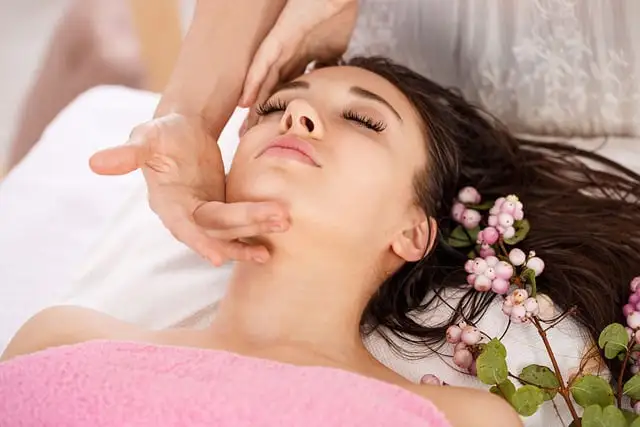
Embracing the Power of Simplicity in Skincare: The Minimalist Approach
In today's world, where skincare routines can become increasingly complex with a plethora of products, it's not uncommon to feel overwhelmed by the variety of cleansers, toners, serums, and masks on the market. With each new product promising miraculous results, many people find themselves entangled in elaborate routines that may not be tailored to their skin's specific needs. But what if the key to achieving healthier skin is simpler than we think? The minimalist skincare movement posits that by focusing on the essentials and reducing your routine to its most crucial elements, you can achieve more effective outcomes. This approach is not about sacrificing results; it's about being intentional with your product selection, choosing only what your skin truly needs. This article will explore the benefits of minimalism in skincare and guide you on how to create a streamlined, efficient routine that works in harmony with your skin's natural processes rather than against them. 1. The Minimalist Mindset: Intentional Skincare Minimalism in skincare is more than just a passing fad; it's a philosophy that encourages prioritizing quality over quantity. By cutting out unnecessary steps and products, minimalist skincare focuses on the basics—those ingredients and products that address your skin's primary needs. The idea is simple: fewer products mean fewer chances of irritation, overburdening, or disrupting your skin's balance. By identifying the most potent products, you can provide your skin with exactly what it needs without overcomplicating your routine. Key Principles of Minimalist Skincare: Simplify your routine: Focus on a select few high-quality products that work well together. Prioritize efficacy: Choose ingredients with a proven track record and avoid products filled with unnecessary additives. Respect your skin's natural balance: Over-cleansing, excessive exfoliation, and using too many active ingredients can damage your skin barrier and disrupt its natural processes. A minimalist regimen doesn't mean giving up on enjoyable products; it's about making informed choices that target your skin's concerns. You might find that your skin thrives when allowed to breathe and when not bombarded with excessive ingredients. 2. The Science Behind Minimalism: The Logic of Simplicity While the skincare industry is often driven by trends and novelties, it's important to remember that our skin is not designed to handle a barrage of products at once. Our skin has a natural barrier, the stratum corneum, which is meant to protect and retain moisture, requiring a delicate balance. Overloading Your Skin: The Pitfalls of Too Many Products When we include too many products in our routines, we risk overwhelming our skin's barrier. For example: Stripping Skin's Natural Oils: Aggressive cleansing or potent actives (like strong acids) can disrupt the skin's natural oil production, leading to dryness, irritation, or breakouts. Cumulative Irritation: Layering multiple products with active ingredients can cause irritation, redness, or sensitivity. Combining a potent exfoliant with a retinol serum can increase skin sensitivity. Incompatible Ingredients: Certain ingredients can clash when combined, leading to adverse effects. For example, mixing Vitamin C (an acid) with retinoids can cause irritation or reduce their effectiveness. By simplifying your routine, you allow your skin to function optimally without being pushed too hard. With fewer products, there's less chance of irritation, fewer ingredient conflicts, and better skin tolerance. The Skin Barrier: Maintaining Its Integrity Your skin's barrier is a vital part of its defense system. A strong barrier prevents moisture loss, shields against irritants, and contributes to your skin's overall health. An overloaded routine can inadvertently damage this barrier. The minimalist approach helps to maintain
The Worldwide Impact on Skincare: Cultural Practices Shaping Beauty Trends
Skincare is a universal pursuit, but the methods and philosophies vary significantly across cultures. This article explores how traditional practices from around the globe are shaping the modern beauty landscape. Asia: Leaders in Skincare Innovation and Elegance Asian countries, including Japan, South Korea, and China, have been at the forefront of skincare innovation. They emphasize different aspects of skincare, which have contributed to the global rise of "K-beauty" and "J-beauty". South Korea's Comprehensive Routine: The South Korean skincare routine, often consisting of 10 steps, is more than just a trend—it's a lifestyle. It involves layering products such as essences and serums to achieve deep hydration and targeted treatment. The focus on hydration stems from the belief that it is essential for maintaining youthful skin. Japan's Simplified Method: Japanese skincare is about simplicity and high-quality ingredients. Ingredients with centuries of use, like rice bran and green tea, are employed to brighten and soothe the skin. Sun protection is also integral to Japanese skincare, reflecting a cultural commitment to even skin tone. China's Herbal Wisdom: Traditional Chinese Medicine (TCM) has a long history of influencing skincare. Ingredients such as ginseng and pearl powder are thought to balance the body's energy and enhance skin radiance. TCM also highlights the connection between internal health and skin wellness, advocating for diets and teas that benefit the skin. These Asian practices have not only revolutionized their own beauty industries but also introduced global innovations like sheet masks, cushion compacts, and fermented ingredients. Africa: Embracing Nature and Communal Knowledge African skincare traditions are rooted in natural ingredients and shared wisdom. Each region has unique practices that honor the richness of the land. Morocco's Argan Oil: Known as "liquid gold," argan oil has been used by Berber women for centuries to moisturize and protect their skin and hair. Rich in vitamin E and fatty acids, this oil has become a global skincare staple. West Africa's Shea Butter: Shea butter, derived from the nuts of the shea tree, is a cornerstone of West African skincare. Its moisturizing and anti-inflammatory properties make it ideal for treating dry skin and other skin conditions. Ethiopia's Coffee Scrubs: Coffee is a popular exfoliant in Ethiopia. When mixed with oils or honey, coffee grounds are used to exfoliate and improve circulation, leading to smooth and radiant skin. African skincare traditions highlight the importance of sustainability and community, with many practices being passed down through generations, preserving cultural heritage and the environment. Europe: A Fusion of Timeless Elegance and Scientific Advancement Europe has a rich skincare history, blending timeless elegance with scientific progress. From France's luxurious creams to the Mediterranean's natural remedies, European beauty traditions are as diverse as the continent itself. French Pharmacy Essentials: French skincare is renowned for its luxury and effectiveness. Brands like La Roche-Posay and Avène have popularized thermal spring water, which is rich in minerals and soothing properties. The French also prioritize gentle, pH-balanced cleansers and rich moisturizers. Mediterranean Olive Oil: Olive oil has been used for centuries in countries like Greece and Italy as a moisturizer and cleanser. Its antioxidants and fatty acids protect the skin from environmental damage and maintain skin elasticity. Nordic Cold-Weather Wisdom: In Scandinavia, where harsh winters can affect the skin, ingredients like lingonberries, birch sap, and seaweed are used to hydrate and protect. The Nordic approach emphasizes simplicity and

Discovering the Perfect Skincare Ingredients for Your Skin Profile
Introduction: Knowing your skin profile is crucial for developing an effective skincare regimen. With a plethora of ingredients on the market, it can be daunting to pick the ones that suit your skin best. This guide will assist you in determining your skin profile and offer expert insights into the ingredients that will most benefit your skin. Determining Your Skin Profile: Your skin profile is identified by its inherent traits and reactions to external factors. Here’s a quick overview: Oily Skin: Marked by a shiny appearance, large pores, and a propensity for acne or blackheads. Dry Skin: Characterized by tightness, flaking, or roughness, and susceptible to redness and irritation. Combination Skin: Features a combination of oily and dry regions, commonly with an oily T-zone and drier cheeks. Sensitive Skin: Easily reacts to products or environmental stress, often manifesting as redness, itching, or irritation. Normal Skin: Balanced, neither overly oily nor dry, with minimal visible flaws. Essential Ingredients for Oily Skin: Salicylic Acid: A BHA that exfoliates deep into pores, unclogging them and reducing acne. It also possesses anti-inflammatory properties to soothe redness and irritation. Niacinamide (Vitamin B3): This multi-purpose ingredient regulates oil production and inflammation, while strengthening the skin's protective barrier, beneficial for acne-prone skin. Zinc: Effective at controlling sebum and calming the skin, zinc prevents breakouts without causing dryness. Tea Tree Oil: A natural antiseptic with antibacterial properties, excellent for managing acne and blemishes. Essential Ingredients for Dry Skin: Hyaluronic Acid: This humectant attracts and retains moisture, plumping the skin and maintaining hydration, suitable for dry and sensitive skin. Ceramides: These lipids are vital for repairing the skin’s barrier and preventing moisture loss, keeping the skin protected and hydrated. Glycerin: A humectant that draws in moisture from the air, improving hydration and moisture retention. Squalane: A plant-based oil that mimics the skin’s oils, squalane locks in moisture and comforts dry skin. Essential Ingredients for Combination Skin: Retinol (Vitamin A): Retinol encourages cell turnover, minimizing the appearance of fine lines, wrinkles, and acne. It’s gentle on combination skin, but start with caution to prevent irritation. Vitamin C (Ascorbic Acid): A potent antioxidant, vitamin C brightens the skin, lightens hyperpigmentation, and shields against environmental stressors. Aloe Vera: Soothing, hydrating, and anti-inflammatory, aloe vera balances combination skin, hydrating dry areas without aggravating oily ones. Essential Ingredients for Sensitive Skin: Chamomile Extract: With calming and anti-inflammatory properties, chamomile reduces irritation and redness, ideal for sensitive skin. Colloidal Oatmeal: A staple for sensitive skin, colloidal oatmeal soothes and protects,减轻 itching and irritation. Allantoin: This mild compound promotes skin healing and regeneration, reducing inflammation and supporting skin recovery. Cica (Centella Asiatica): A plant extract with healing and anti-inflammatory properties, perfect for sensitive skin prone to redness and irritation. Crafting a Skincare Routine Based on Your Skin Profile: </
Diving into the Future of Aesthetics: The Role of Cutting-Edge Skincare Innovations
The ever-evolving landscape of beauty has been revolutionized by technological advancements that have introduced a new era of skincare practices. Beyond the conventional focus on hydration, cleansing, and sun protection, innovative techniques are now offering more precise, potent, and scientifically-backed solutions. The fusion of AI, anti-aging innovations, and at-home devices illustrates how technology is making customized, premium skincare accessible to all. This article explores the technological shifts that are transforming the beauty industry and highlights the most groundbreaking advancements in skincare. 1. Personalized Skincare: The Intersection of AI and Skin Science The incorporation of artificial intelligence (AI) and data analysis has marked a significant advancement in modern skincare, shifting from a one-size-fits-all approach to one that is tailored to individual skin types and needs. 1.1 AI-Powered Skin Analysis Several skincare brands have developed AI-driven tools that assess skin health through smartphone photos or comprehensive consultations. These platforms consider factors such as hydration levels, skin tone, wrinkles, and pigmentation, offering personalized product and routine recommendations to cater to specific skin conditions. Apps like SkinVision and Shiseido’s Skincare Advisor use AI to detect early signs of skin damage and aging, suggesting product choices that align with the analysis. These customized solutions allow users to achieve better results by accurately addressing specific skin concerns. 1.2 Smart Skincare Devices The emergence of smart skincare devices in recent years has allowed consumers to customize their routines with the aid of technology. Devices such as facial cleansing brushes, LED masks, and ultrasonic tools now come with intelligent features, increasing their effectiveness. Cleansing Brushes: Companies like Clarisonic and Foreo have created facial brushes that use sonic technology for deep cleansing, removing dirt, oil, and makeup, and improving blood circulation. Some devices even offer adjustable settings to suit different skin types. LED Light Therapy Masks: LED light therapy, which uses different wavelengths to address skin concerns, has become a popular at-home treatment. Red light promotes collagen production, while blue light targets acne. Smart LED masks like the Dr. Dennis Gross mask enable users to adjust settings and treatment duration for a more tailored experience. Ultrasonic Skin Devices: Ultrasonic devices enhance the absorption of skincare products by penetrating deeper into the skin. Brands like NuFace use microcurrent technology to tighten and lift the skin, providing at-home skin firming solutions. These smart devices use data to optimize your beauty routine, ensuring you get the most out of your skincare products. 2. Anti-Aging Breakthroughs: Redefining Skin Youthfulness The quest for youthful, luminous skin has led to a significant focus on anti-aging solutions, with technology playing a pivotal role. Advanced skincare technologies now enable more effective, non-invasive treatments that combat wrinkles, sagging, and other signs of aging without the need for surgery. 2.1 Microneedling and Dermarolling Microneedling, or dermarolling, creates minor skin injuries to stimulate collagen production and improve the appearance of fine lines, wrinkles, and scars. Devices like Dermapen and home rollers like GloPRO allow individuals to perform microneedling treatments at home. This method encourages the skin's natural healing processes and increases collagen and elastin production, maintaining youthful firmness. While professional treatments offer more dramatic results, home devices are becoming increasingly effective and popular for those looking to rejuvenate their skin. 2.2 Radiofrequency (RF) Technology Radiofrequency treatments use electromagnetic energy to stimulate collagen production and tighten the skin. RF technology, featured in devices like Thermage and Exilis, has become a sought-after solution for skin tightening, wrinkle reduction, and facial and body contouring. Home RF devices from Foreo and
Make an Informed Decision: Selecting the Ideal Body Wash for Your Skin 5150
Every individual's skin is unique, with varying degrees of dryness, oiliness, or a combination of both. Fortunately, there's a body wash suitable for every skin type. This detailed guide helps you navigate the process of finding the perfect body wash for your skin's specific requirements. Body washes are not just about cleansing; they can also provide relief from skin conditions such as acne, body odor, eczema, and dermatitis. For example, a body wash with cortisone can help reduce the itchiness and redness associated with these conditions. When choosing a body wash, focus on your skin's needs rather than being influenced by packaging or peer suggestions. Here's what you should consider: 1. **Dry Skin**: Look for body washes that contain hydrating ingredients like shea butter, hyaluronic acid, ceramides, glycerin, avocado oil, and soybean oil. These ingredients help to restore and preserve your skin's natural moisture barrier, leading to softer and smoother skin. 2. **Sensitive Skin**: Opt for body washes with calming ingredients such as chamomile, aloe vera, and oatmeal. Steer clear of harsh ingredients like sulfates, fragrances, and parabens, which can deplete your skin of its natural oils. 3. **Oily Skin**: For those with oily skin, consider body washes containing benzoyl peroxide or salicylic acid. These ingredients help regulate oil production and prevent acne by clearing clogged pores. 4. **Mature Skin**: To improve skin texture and minimize the appearance of wrinkles, seek out body washes with retinol. 5. **pH Balance**: Maintaining your skin's natural pH balance, which is between 4.5 and 5.5, is essential for keeping your skin moisturized, preventing bacterial growth, and supporting healthy lipids. Choose a body wash that supports this pH level. 6. **Scent Preferences**: Certain aromas can stimulate the senses, such as mint, peppermint oil, and eucalyptus. Research indicates that peppermint oil can enhance cognitive performance and memory. Conversely, scents like rose, lavender, water lily, and sage can encourage relaxation and sleep. 7. **Gender Considerations**: Body washes are tailored to different needs. Men's products often serve multiple purposes and have invigorating scents, while women's body washes focus on cleansing, hydration, anti-aging, and UV protection, often with gentler ingredients. 8. **Shower Accessories**: After identifying the right body wash for your skin, consider investing in a loofah, washcloth, or exfoliating mitt to evenly distribute the wash and clean hard-to-reach areas. Exfoliation is crucial for removing dead skin cells and promoting cell turnover, resulting in radiant, smooth skin. In summary, body wash can be an essential part of your daily routine if you're looking for a product that enhances hydration, alleviates skin conditions, or simply creates a pleasant bathroom ambiance. By choosing a body wash with ingredients that cater to your skin's specific needs, you can experience a refreshed, relaxed, and energized feeling. Following the tips provided will assist you in identifying your skin type and the key ingredients to look for when selecting your next body wash.
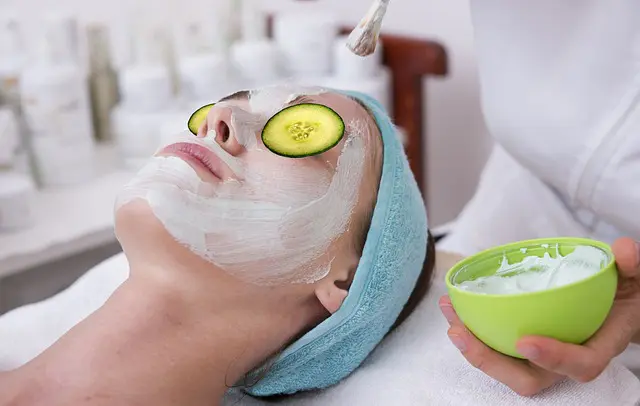
Sustainability in the Fashion and Beauty Industries: A Shift Towards Eco-Friendly Practices
Sustainability has become a pivotal topic within the fashion and beauty sectors, as these industries are increasingly focusing on reducing their environmental impact. There is a noticeable trend towards eco-friendly practices, including the use of sustainable materials and the implementation of environmentally friendly packaging. This change is being driven by a more ethically conscious consumer base that is demanding transparency and innovation from the industry in its journey towards a greener future. Eco-Responsible Packaging in Beauty The beauty industry is undergoing a significant change, with a shift towards packaging that is more considerate of the environment. Major players are moving away from single-use plastics and opting for materials that can be recycled or that will naturally decompose. Companies like Lush are leading the way by offering solid shampoo bars, which eliminate packaging altogether. There is also a growing interest in refillable packaging solutions that promote the reuse of containers, thereby reducing waste. Sustainable Fashion Practices In the fashion industry, the concept of slow fashion is gaining popularity, promoting a more deliberate approach to purchasing clothing. This philosophy encourages consumers to buy fewer, higher-quality pieces that are designed to last, rather than the throwaway mentality associated with fast fashion. Brands such as Patagonia and Stella McCartney are leading the charge by using organic materials, recycling textiles, and maintaining ethical labor practices. Consumers are also embracing pre-owned clothing, thrift shopping, and clothing rentals as ways to reduce their environmental footprint. Clean Beauty: Non-Toxic Skincare The clean beauty movement is gaining momentum in the skincare industry, with consumers seeking products that are free from harmful chemicals. The industry is responding by emphasizing natural, plant-based ingredients that are safer for both health and the environment. This movement is fostering innovation in the creation of products that are both effective and sustainable, such as biodegradable makeup removers and refillable skincare packaging options. Conclusion The beauty industry is on a path towards a more sustainable future. As the focus on sustainability intensifies, both fashion and skincare brands are adapting to include eco-friendly packaging, sustainable materials, and non-toxic products. The ongoing commitment to ethical and eco-friendly practices is reshaping the industry, ensuring that the concept of beauty is not only beautiful but also sustainable for generations to come.
Skincare for Acne-Prone Skin in Wet Weather: Guidelines and Tips
Wet weather can pose specific challenges to maintaining healthy skin, especially for those who are acne-prone. The blend of higher humidity and airborne pollutants can intensify skin problems, causing pores to become blocked and leading to acne. To preserve clear and healthy skin during rainy periods, it's crucial to adopt a specialized skincare regimen. This article provides comprehensive guidelines and tips for skincare during rainy days to prevent acne effectively. Does Rainy Weather Trigger Acne? Rainy weather doesn't directly cause acne, but it can create conditions that worsen acne for some people. The increased humidity during rainy days can boost the skin's oil production. This excess oil, when combined with sweat and dirt, can clog pores and cause breakouts. Moreover, rainwater may carry pollutants and bacteria that can irritate the skin and provoke acne flare-ups. Adjusting your skincare routine to account for these conditions can help to neutralize these factors and preserve a clear complexion. Guidelines for Rainy Day Skincare: Clear Skin Even in the Rain Proper skincare during rainy days is essential in preventing acne. Here are some detailed guidelines: Wash Your Face Twice Daily with a Mild Cleanser Washing your face twice a day helps to eliminate accumulated dirt, oil, and pollutants, preventing pore blockages. Select a mild cleanser that suits your skin type. For oily skin, consider a foaming or gel cleanser. For dry or sensitive skin, opt for a creamy or hydrating cleanser. Thorough yet gentle cleansing will preserve your skin's natural barrier. Opt for a Lightweight, Non-Comedogenic Moisturizer Moisturizing is critical for maintaining healthy skin, even on rainy days. Choose a lightweight, non-comedogenic moisturizer to hydrate your skin without causing pore blockages. Look for ingredients such as hyaluronic acid, glycerin, and aloe vera, which offer hydration without adding extra oil. Apply a Broad-Spectrum Sunscreen with SPF 30 or Higher Sunscreen is an indispensable part of any skincare routine, regardless of the weather. UV rays can pass through clouds and rain, leading to skin damage. Use a broad-spectrum sunscreen with SPF 30 or higher to protect your skin from UVA and UVB rays. Choose a non-comedogenic formula to prevent pore blockages. Utilize Non-Comedogenic Cosmetic Products Higher humidity can lead to clogged pores and breakouts. Non-comedogenic cosmetic products are specifically designed to prevent pore blockages. Look for products that are labeled as oil-free and non-comedogenic. Carry Oil-Blotted Tissues or Papers Humidity can make your skin appear oily and shiny. Oil-blotted tissues or papers help control excess oil throughout the day. Gently press the tissue against your skin to absorb oil without disturbing your makeup. Keep Hair Off Your Face Rain can make your hair damp and dirty, transferring oil and dirt to your face. Keep your hair pulled back or use a headband to prevent this. This simple step can reduce breakouts and keep your skin clean. Stay Hydrated Staying hydrated is crucial for overall skin health. Drink plenty of water throughout the day to maintain skin hydration from within. Proper hydration helps maintain a healthy complexion and prevents dryness or flakiness. Avoidances for Rainy Days Skincare To prevent acne during rainy weather, steer clear of the following: Steer Clear of Heavy, Oil-Based Moisturizers Heavy moisturizers can clog pores, especially in humid conditions. Use lightweight, non-comedogenic moisturizers to keep your skin hydrated without causing breakouts. Avoid Touching Your Face with Dirty Hands Rainy conditions can be muddy, and touching your face with dirty hands transfers bacteria and
Discovering the Mysteries of Collagen: Its Role, Sources, and Types for a Glowing Life
Collagen, a protein abundant in the human body, is essential for providing structural integrity to tissues like skin, bones, and tendons. It serves as a key component in tissue regeneration and repair, and it helps to keep the skin firm and supple. As we age, our collagen production naturally declines, which can result in visible signs of aging and joint discomfort. This has sparked a growing interest in collagen-rich diets and supplements, which are thought to help mitigate aging effects and enhance overall health. Understanding the importance of collagen and ensuring adequate intake is key for those aiming to improve their health and maintain a youthful appearance. The Diverse Health Advantages of Collagen Collagen offers a broad spectrum of health benefits that are crucial for maintaining an active and healthy lifestyle. Its impact on skin health is particularly significant. As a major component of the skin, collagen helps to maintain softness and hydration, contributing to a youthful appearance. By promoting skin cell turnover and repair, collagen aids in wound healing and protects the skin from environmental stressors, thus preserving skin health and radiance. Skin Health and Aging Collagen's anti-aging properties extend beyond skin appearance; it also plays a crucial role in joint health. Collagen is vital for maintaining cartilage, the tissue that cushions joints. As we age and collagen levels decrease, the risk of developing joint diseases such as osteoarthritis rises. Collagen supplements can help alleviate joint pain and inflammation, improving mobility and overall quality of life. Bone and Joint Health Collagen is also crucial for bone health, being the primary protein in bones that provides structure and strength. The loss of collagen with age can lead to reduced bone density and an increased risk of fractures. Research indicates that collagen supplements can enhance bone mineral density and strengthen bones. This is especially relevant for postmenopausal women, who are at a higher risk of osteoporosis. Natural Sources of Collagen Collagen can be sourced from various food items, which are vital for many biological functions. Foods rich in animal connective tissue are the primary sources of collagen. Bone broth, prepared by simmering bones and connective tissues, is a rich source of collagen. Tough cuts of meat such as beef shanks, pork feet, chicken wings, and thighs also supply collagen. Fish skin, particularly rich in type I collagen, is another valuable source. Plant-Based Sources and Collagen Enhancement For those who prefer plant-based options, indirect sources of collagen are available. While plants do not contain collagen, certain foods and nutrients can support the body's collagen production. Nuts, seeds, beans, and legumes are rich in amino acids needed for collagen synthesis. Garlic, which is high in sulfur, also promotes collagen formation and protects it from degradation. Sustaining Collagen Levels Collagen levels can be sustained through direct consumption and indirect support from dietary and lifestyle choices. To preserve collagen, it's advised to limit sugar intake, avoid excessive sun exposure, and refrain from smoking. Regular exercise, especially resistance training, can stimulate collagen production in muscles and tendons. Collagen Supplements: Types and Considerations Collagen supplements have gained popularity in the health and wellness industry, with a variety of formulations to cater to individual needs. Understanding the different types of collagen supplements is crucial for making an informed decision. Types I, II, and III are the most common in supplements, each serving specific purposes. Type I collagen is popular for its cosmetic benefits, found in hair, nails, and skin. Type II collagen, found primarily in cartilage, supports joint health. Type III collagen, often combined with Type I, supports skin elasticity and the structure of muscles and organs. Forms of Collagen Supplements Collagen supplements come in various forms, including powders, capsules, and liquids. Powders are versatile and can be easily mixed into beverages or foods, making them a popular choice. Capsules are convenient for those with busy lifestyles. Liquid collagen is known for its ease of consumption and quick absorption, making it an excellent option for those